投稿者: admin

  • “Places We Remember”by Hal Drake

    “Places We Remember”by Hal Drake

    I once owned a chip off a cornerstone of Japan’s economic miracle. It was lost long ago, alas. It was so simple, fashioned by proficient fingers and sold for easy profit—an old fashioned phonograph, of the kind wound up by teachers to bore kids during music-appreciation hour. But this one had a small, battery-powered amplifier and three spatula-like prongs that folded out to make a turntable. No heavy cabinet or complicated console. The whole thing folded up to be carried like an attaché case, an ancestor of the boom boxes that bother Sunday morning sleepers today.

    I wonder how many of those the Japan Victor Co. sold? How many GIs like myself, on R&R from Korea, bought one to take back to a bunker or tent, to be played and broken or abandoned.

    The $14 I paid to take it out of a Yokohama shop was my small contribution to that miracle, along with the 100YEN apiece I gave to two schoolboys who battered my boots with a shine brush outside Yokohama station. I have to wonder if they now own auto agencies or hotels.

    I did something else that trip. I rode a coal-powered cab, one of the fume-spitting flivvers that ran off what the driver shoveled into the stern.

    They mottled the skyline but in those days, nobody worried about pollution. If I had that phonograph now or came by one of those cabs, I think I’d donate them to the Museum of Natural History as an example of how sheer human effort can be a bridge from poverty to profit. Few, if any Americans, certainly not a 21-year-old soldier, could feel the changes pulsing through Japan, or imagine that a recovered adversary would soon be a close ally and resented trade rival.

    P20.

    There was an American Chamber of Commerce in Japan, four years old then, but uniforms still outnumbered business suits. Most Americans lived a sheltered and comfortable life, on military compounds or grounds that had been commandeered or reclaimed, such as the old American Club, founded in 1928 and refounded in 1948.

    Every comfort and convenience was close at hand-Mars bars, an American newspaper, a British-style tabloid, even a constant American voice on the radio.

    That’s the first thing I recall hearing when I came back as a civilian in 1956—the brush-on-canvas voice of one Walt Sheldon, a very professional Far East Network broadcaster who could do anything from a stacatto newscast to a well-modulaed hour of classical music. He was often seconded by chirrupy-voiced Hiroko, who joined Sheldon in relating lore and culture.

    “Mister Sheldon, why do Americans say ‘square meal’?”

    “Why, I don’t know, Hiroko, being as they re mostly served on round plates. And now, it’s time to Enjoy Japan…”

    And there would be bowl games and title fights, State of the Union from a succession of presidents and the entire Series, short-waved or transcribed — always direct after satellites were launched.

    It was lavishly typical of Americans to import the comforts they couldn’t do without, and so it was with FEN. First born at NHK, it was seized as war booty in 1945, then moved to United Nations headquarters at Ichigaya and finally to outlying bases allowed by the Japan-U.S. Security Treaty.

    There was an odd mixture of talent at FEN micro-phones: seasoned pros like Sheldon, drafted farm boys with dry drawls, a Cajun whose speech sounded like Deep South, and Brooklynese, along with some well-remembered local productions.

    There was that time, around 1947, when a terse bulletin broke into a musical interlude, telling of how a sea monster had raged ashore at Yokohama and was trashing the town. Later bulletins attested that it was trampling police cars and kicking aside barriers, and stomping straight down the highway to Tokyo. A between-us-Yanks joke was lost on the Japanese who believed every word. Police were marshaled. Local citizens seized up clubs and axes.

    Finally, the monster reached the capital and ambled up to the FEN microphone, consenting to an interview.

    “Oh, I’m the Reluctant Dragon…” It was a tune from an old Disney cartoon.

    The next day, some FEN pranksters traded their mikes in for mops.

    But on another night, the bulletin was urgent and authentic. A Japanese fuel dealer had sold an American businessman what he thought was kerosene for a space heater, discovering later that it was high-octane gasoline that could reduce a small wooden rental to blazing splinters. Frantic, the dealer called the police who contacted FEN, and that customer heard the warning just as he was about to light his heater.

    FEN was founded and run for overseas troops and military families, although anybody could listen and everybody did. That made network officials cautious about what was broadcast. They had to be careful with “Tokyo Calling,” a long Sunday afternoon of news, music and vintage radio shows, some of which went back to the war years.

    Fibber McGee and Molly might suddenly joke about Victory Gardens and sugar rationing, or a racial slur could slip out, such as the time Billy Mills and the King’s Men sang a robust song that warned Japanese they were foolish to “pick a Yankee target,” using that wartime epithet for Japanese. There was surprisingly little flurry about that.

    Although I was told that FEN Program Director Milt Radmillovich was absolutely furious.

    And there were the English-language newspapers, folded beside breakfast napkins or seized from rush-hour vendors on train platforms. The Japan Times, a descendant of the pre-war Advertiser, was a comprehensive mosaic of international and business news, a rival of the Daily Mainichi that was more local than global.

    The Japan News, which became the Daily Yomiuri, was back then a British-style tabloid that could be folded double and read standing up on a crowded tram. It was full of British news, British features and an engaging comic strip called “Jane,” whose heroine ran naked from panel to panel.

    The most American newspaper, of course, was Pacific Stars and Stripes, founded as a contemporary of FEN in 1945. It kept far-from-home Gls and other Americans fully informed on the doings of Harry Truman, Winston Churchill, Elizabeth Taylor and Willie Mays.

    Stripes was written and laid out at the Japan Times and printed several blocks down at the Asahi Shimbun, going from commandeered presses into military hands and, at some outlets, the expanding commercial community. It was all there—the Joe Louis-Billy Conn fight, the arrest and trial of Japanese accused war criminals, the looming crisis in French Indochina.

    The Asahi Evening News certainly had the best roundup of worldwide editorial opinion and good domestic political reporting. Those who had more than glancing contact with the press might wander into No.1 Shimbun Alley and rub shoulders with the deadline literati at the Foreign Correspondents’ Club of Japan-good food and grog, cold Kirin at the turn of a spigot. But drinking there frequently meant listening to the bitter miseries of frustrated professionals who jousted with authority about what could be learned or printed.

    That authority, of course, was General Douglas MacArthur, the American shogun who ruled from a castle beside a castle, pacing a well-worn rug in his office at the Dai-Ichi Building across from the Imperial Palace. He fashioned the policies and directives that would reform Japan and assist its economic recovery. MacArthur insisted that Japanese products, such as transistor radios, be pushed across PX counters. At the same time, he imported quality-control experts who banished production-line chaos and taught workers the organization and teamwork we see at Sony and Toyota today.

    MacArthur’s policies were arbitrary and dicta-torial, but they got results. In 1952, Toyota turned out its first postwar auto—a wide-axled roadster that might have been fashioned in the mid-1920s and looked to many as if it should have been horse-drawn rather than motor-powered. How many scoffing Americans saw that and confidently counted Japan out as a competitive force in the automotive market?

    Occupation traces were vanishing, but ever so slowly. There were still street signs and traffic markers in yellow and black, the signet colors of the Army Ist Cavalry Division that ran the town like a medieval estate and proudly stepped off in the annual Fourth of July parade across the Imperial Plaza.

    A day off or a night out? Well, there were the movie theaters— old, large palaces like the Yurakuza, which had once premiered silent classics like “The King of Kings” and now showed “My Darling Clementine” or “The Return of Frank James,” perhaps a popular prewar feature like Jeanette Mac-Donald and Allan Jones in “The Firefly.”

    There was music, too, and not just the wail of a reed flute. Brassy jukebox fare and git-fiddle country blared over FEN. Entrepreneur Eloise Cunningham defied Occupation frowns on fraternization to organize her Music for Youth concerts, bringing Japanese and Americans together for the thrill of Vivaldi and the thunder of Beethoven-even though MPs might show up to pry her patrons apart. I recall, as I worked at Stripes, that Eloise came in every year with particulars on her next concert, an annual pain but a benevolent one.

    Before the baton went up, concert goers might meet at International House, which had garden-like grounds, reasonable accommodations and a fine library. Academics from India and Idaho mixed easily. One frequent patron, Donald Richie, would become film curator at the New York Museum of Modern Art and was the last-word authority on any movie made since the days of the hand-cranked camera.

    A place to eat was no problem. Tokyo abounded with good restaurants then, enjoyed without second-mortgage expense. A rare and succulent steak at the Tokyo Plaza, with baked potato and trimmings, cost all of ·3,000-cash that wouldn’t get you past the potted palms of any classy place now. Peasants like me patronized Charlie Manos Russian restaurant, where luscious piroshki cost $50 and a diner down to his last ·500 could eat lavishly well.

    Close to the complex of theaters at the Shibuya Pantheon was a long alleyway of sushi counters.

    Maguro (tuna) went as cheaply as 40yen a mouthful – a steerage-class smorgasbord.

    At the Rhinelander in Kasumicho, a former professor of German literature at Niigata University puffed a meerschaum and frowned over his chessboard as customers savored delicious schnitzel and draft beer that was rich and cold.

    There was a fine engraving of a dignified 16th century elder on the varnished oak wall, a classicist Doktor Karl Fischer venerated.

    “Mozart?” I inquired innocently.

    “Goethe,” Fischer corrected sharply.

    Close to the Ginza was Ketel’s, founded by a former German colonist in the Kaiser’s concession at Shantung. Captured when the Japanese joined the Allies in World War I, Ketel was shipped to Japan, taught his captors the butchering trade and wound up opening a first-class eatery. His daughter, a natural hostess, served up juicy knockwurst with mashed potatoes and sauerkraut, a kind of Bavarian bangers and mash. I liked the steeped-in-history feel of the place.

    My favorite was the long-gone L’Ambre in Shibuya, with a came of a frowning Beethoven on the door and a kind of Carnegie Hall atmosphere inside. Raptly silent patrons applauded the classics and there was always that one old fellow who waved an imaginary baton as he paced Stokowski and Toscanini.

    Night life? Well, it varied. There were pricey places like Manuelas and the Latin Quarter, which were really for the expense-account trade, more affordable bistros like the 88, where you could hear prime-cut jazz by Larry Alley or Billy Banks, the brassy humor of Kenny Pierce or the music-hall banter of Leo Prescott. Al Shattuck ran a lively and reasonable place.

    Oh, yes, there was cold draft and a slapped-off-the-grill burger at the Hamburger Inn, or Harry’s Bar, which should have been laminated as the first authentic GI bar in metropolitan Tokyo. A few alleyways from Roppongi corner, Harry’s held its ground for years as other GI places, such as John’s Bar, folded and vanished, and was a dying curio in its final days.

    Change was constant and expensive, particularly as there were deliberate assaults on the strong dollar. People clung to life raft places like Chaco’s Steakhouse and Tony Romas, if they dined out at all, and memberships in the Tokyo American Club were valued more than ever. It was all there in one business-or-family package, from boardroom to ballroom, the Garden Café and Foreign Traders’ Bar, swimming pool and video tape library.

    Comforts could be preserved, contained and shared as Americans mingled with Japanese members and those from 50 other countries. American members were fewer as home-office accountants groaned over expense wrought by a stronger yen.

    It was no longer easy to place a daughter in the gentle hands of Sister Marie d’Huart at Sacred Heart or a son through the conscientious education and drill-sergeant discipline of Brother Andrew at Saint Mary’s.

    The dollar depreciation was a hard blow to the American School in Japan, which turns 75 this year. Founded for children in the foreign commu-nity, it has also welcomed Japanese, every semester a strut in a cultural span. My youngest son went there, from grade nine through graduation, and I must still commend the patient and dedicated effort of headmaster Ray Downs to educate a youngster who was too often more interested in karate than the history of mathematics.

    I lived right next to the campus and loved those fund-raising carnivals, where Bozo the Clown might make a surprise appearance and you could buy flea-market odds and ends and a mustard-slathered hot dog from a portable stand-genuine and authentic Americana in Japan.

    Not that I ever ignored that outdoor food bazaar at Sacred Heart—the scent and taste of Indian curry and Korean bulgogi, washed down with New Zealand Steinlager. I was close to that place because I was close to Mary and Corky Alexander, who sent four daughters there.

    Corky was an old friend and longtime professional colleague when he decided the foreign community needed a clarion, a weekly newspaper that would be its voice and chronicle in Tokyo. He started out on shoestring savings and investment, knocking on a lot of doors.

    We all wished him well but had misgivings, having seen so many such efforts founder and crash. But I wrote, for that first Tokyo Weekender and write for it still, through the 26th anniversary of a successful ambition. The Tokyo Weekender looks set for the next millennium and beyond.

    So many changes in so many years, or perhaps so few, moving so fast after those first few foreign tradesmen landed in 1945.

    Time turns backward for nobody, so I can never again savor that first-morning ride from Haneda, through an industrial suburb and down the Ginza.
    Moored balloons still bobbed from the rooftops of theaters and department stores, trailing streamers that looked like rope ladders, lettered with characters extolling this attraction or that product. “Oh!
    Rosalinda!” was playing at the old Theatre Tokyo, and a painted mural beckoned people to see a stage musical at the Takarazuka, once the Ernie Pyle Theater.

    Later, I took a long walk through the back alleys of Ginza, first passing kids in school uniforms who were lined up to see a French film with Jean Gabin.

    I moved on to my first doubtful and cautious taste of raw tuna at one of the small sashimi shops, and passed a Buddhist temple to hear, for the first time, the atonal chant of the sutras.

    Four blocks later, I stopped to hear, unbelievingly at first: “Yah!” Stomp! Stomp! “Das ist die Lichtensteiner Polka, mein schatz!” and I walked down a flight of stairs to find a rathskeller that might have been brought plank-and-nail from Munich.

    I told myself then that I was in one of the greatest towns in the world.
    It was, and still is.

    Hal Drake first saw Japan on his way to and from the Korean War. He joined Pacific Stars & Stripes in 1956, working in Japan, Korea, Okinawa, Thai-land, the Philippines and Vietnam. He went on to become a senior writer and columnist for the paper, until retirement in 1995. He is currently chairman of Netword International in Australia.

  • 2018年度ワーキングホリデープログラム

    WORKING HOLIDAY OPPORTUNITY IN AUSTRALIA

    『自然の国、オーストラリアのワーキングホリデービザで、英語と異文化を学びながら就労体験をし、もっとインターナショナルになろう!!!』

    ごあいさつ(Greetings)

    燦々と降り注ぐ太陽、洋々たる南の国オーストラリアでのワーキングホリデーによる日本からの参加者が種々の体験を通し、それぞれの将来の夢を実現されて10年余りの月日が経ちました。この実例はオーストラリア移民局を始め、経済、文化等の交流が日豪間で着実に成長して来た事を物語っています。

    環太平洋の隣国との更なる共存・協力が一段と求められる2017年に入り、当機関の4分の1世紀にわたる日豪米の架け橋として確固たる実績を当地クイーンズランド(QLD)州をベースに現地関係者の方々の支援、当機関の多彩にわたるプロフェッショナルな指導のもとに、このワーキングホリデー来豪者に対し、今まで以上に質の高い総合プログラムの提案をここに提案する所在です。オーストラリア移民局は現状の30歳迄の応募資格を35歳に引き上げると発表があり、実施が確定されるのも時間の問題と推測されます。

    特に当学院のサポート機関として上記ロゴのごとくビーチフロッグ(Beachfrog)の設立者の伊藤昌夫ディレクターはオーストラリアでの教育を受け、真の日本魂を世界スケールで伝えるために清掃という人間の生活に食料と同じように不可欠な業務に日本の細かい(おもてなし)心使いを現地の方々に提供し、多大な信頼を受け、またスタッフにはワーキングホリデーの方々のみを採用し、いよいよ今年は商業ビル等の大きな顧客への契約を締結しております。

    当学院が提供するユニークなサービスは下記のような体験後にいかに次の経歴につなげていくか(帰国 or 在豪)のための指導を個々のニーズにおいてカウンセリング、指導(就業面、語学面)により多様なチョイスの選択を可能にします。

    和子 K ドレイク
    理事長:異文化教育/語学教育アカデミー(PCLA)
    代表:Drake Foundation

    伊藤昌夫
    ディレクター:Beachfrog
    PCLA 現地総合支援担当

    写真:オーストラリア・ワーキングホリデー・インターンシップ・プログラム


    ワーキングホリデーについて

    — ワーキングホリデービザ申請費用、$440が$390へ
    現在のワーキングホリデービザの申請費用は$440でしたが、2017年1月からは$390になり$50安くなります。

    同一雇用主での就業可能期間が、半年から1年へ
    また、年齢上限引き上げと同時に、同一雇用者の下では半年しか働けないという規定を「条件を満たせば同一雇用者の下でも1年間働ける」と変更されたため、就業期間中より深いスキルを身に付けることができるようにもなり1年への緩和もされるとのことです。*補足ですが、現在は、12ヶ月への延長には、移民局へ「From 1445」の提出が必要となっているそうです。

    — 期待されるメリットとして
    年齢制限が引き上げれば今までワーキングホリデーを諦めていた方やワーキングホリデーを逃した方、または真剣に英語を使った仕事に就きたいなど海外で何か新しい事に挑戦してみたいと思う方にもチャンスが生まれると思います。35歳からの夢にも、今回の制度改正は大きな影響をもたらせそうです。

    逆に35歳からのワーキングホリデーということで日本帰国時に再就職の問題などが考えられると思いますが、これは年齢に関係なく懸念される事で、本人の努力が基本要因です。


    ・そろそろワーキングホリデーを終えそうだが、もう少しオーストラリアに残りたい人。まだ帰りたくない。帰国前に好きな人ができた。
    ・日本に帰って何をしていいのか不安。
    ・人と違ったことをしてみたい。
    ・何となくワーキングホリデーを過ごしてしまい、今更ながら後悔している。
    ・目標が達成できなかった。
    ・もう一度チャンスが欲しい。

    オールラウンドで、PCLAの留学生への24時間体制のサポートは言うもがなく、ビーチフロッグでの仕事ぶり、スタッフトレーニングが絶大なる信用を構築しています。意欲的に真面目に働く方々へ当ファウンデーションからのスカラシップのチャンスもあります。

    ご自身の語学レベルに応じ、政府の規定である最長3ヶ月の語学研修(レベルに応じ、研修期間は異なります。)後の就業のお手伝いを中広く提供します。

    申し込み費用等に関しては、別紙をご参考にして頂き、ケースバイケースでご相談いたします。では皆様のお問い合わせをお待ちしております。


    ワーキングホリデープログラム in Australia

    以下はオーストラリア移民局の規定による基本的スケジュール及び費用の紹介です。

    ワーキングホリデービザの申請は本人が日本の大使館でしか応募できませんので、最寄り大使館WWWのビザ関連情報により間違いなく申請してください。

    その折に、来豪時の語学学校受入れ証明など記載及び、回答時は語学学校受入れ証明など記載及び回答する必要があると思いますので随時相談ください。

    例 1年間のワーキングホリデーVISA Application
    現地及び当学院サポート統合費用
    *実費:語学研修等:Full time研修(8:30-15:00)
    A$3,600.00(for 3months time,入学料教材含む)
    (HALF DAY研修(8:30-12:30)A$3,000.00)
    ホームステイ代:A$3,100.00(for 3months)
    *PCLA:コーディネート、カウンセリング、24時間体制サポート(現地及び出発前迄)

    (for 約4ヶ月)A$2,000.00+日本での手数料Y100,000.00
    — 語学レベルのチェックにより語学研修の期間の決定を判断する
    — 語学研修中での現地担当者とのコンタクトを通し、就労希望に沿った選択のアドバイスをおこなう。
    — 当学院を通しての就労の際の法的アドバイス及び、準保証人としての責務を買う。
    その際の費用はA$1,000.00

    以上の内容での必要費用:
    1. VISA申請代(本人)A$440.00
    2. 申請のための現地準備:A$約8,700.00(3months) 約783,000円
    日本でのサポート、現地記事紹介:290,000円+A$1,000.00(約9,000円)
    計 約1,073,000円
    3.
    NOTE:費用は本人の希望・語学能力、このプログラムへの前向きな意志が成功への大きな
    要素であり、当学院在日担当者との面談での診断及び決定となる。


  • 2017年『よみうりカルチャー主催』留学説明会


    ネットワードインターナショナルサービス Pty Ltd/パシフィック異文化教育アカデミー(PCA) 留学説明会

    最南端の〝隣国〟でホームステイしながら英語を学ぶ「豪州 大人の短期語学留学」の説明会開催のご案内

    さんさんと降り注ぐ太陽、洋々たる太平洋の海原が広がるオーストラリアも、日本との時差はわずか1時間。その魅力に包まれながら、短期間に生きた英語を習得したいというシニア世代を含む大人の 方々、あるいはお子様・お孫様などのご家族に学ばせたいと希望する方々を対象にした説明会です。

    オーストラリアの東海岸に位置するクイーンズランド州で、これまで四半世紀にわたって日豪間の異文化教育交流活動を推進し、大勢の日本の方々にホームステイ型留学の機会を提供してきた実績を 有するPCLA(環太平洋異文化・語学アカデミー)が主催し、よみうりカルチャーが協力して開催し ます。日程・場所は下記の通りです。

    • 6月28日(水)=よみうりカルチャー浦和(午後1時〜、同4時〜)
    • 6月29日(木)=よみうりカルチャー横浜(正午〜、午後4時〜)

    ホームステイ地のクイーンズランド州は、オーストラリア第3の都市・ブリスベンをはじめ、ゴールドコーストやケアンズなど世界的に有名な観光都市を有しています。

    PCLAは同州政府高等教育機関のインターナショナル・パートナーに指名されており、日本の学生、成人、教師などを現地に派遣して留学活動の支援にあたってい ます。

    募集する短期留学は、ご本人の希望に応じて随時受け付け。留学期間は、初級レベルの語学研修 であれば1週間程度からでも可能です。高度の留学を 目指す方向けに、3か月〜1年程度の「英語教師養成コース」「大学進学のための準備コース」などもあります。
    いずれも現地のホームステイ先を紹介し、州の教育施設での学習も可能です。
    費用などを含む詳細は、当日、説明会でご照会ください。

    ※後日、留学希望者対象の事前講座(2〜3回、有料)を開催。

    *説明会にご参加の予約申し込みは
    横浜センター(TEL045-465-2010)
    浦和センター(TEL048-824-5711)

    詳細(PDF)
    drakefund.net/pdf/20170628-29_ync.pdf


    よみうりカルチャー(公式サイト)
    URL:www.ync.ne.jp


  • 2017年『よみうりカルチャー主催』お子様英語実践教室


    ネットワードインターナショナルサービス Pty Ltd/パシフィック異文化教育アカデミー(PCA) 英語実践教室

    〜将来海外で活躍したい人へ〜お子様英語実践教室

    海外で本当に求められている英語力とは何でしょう?お子様が将来海外で働きたいという時に必要な英語力を体験しませんか?

    講師プロフィル:日本の 著名な 語学 専門 大学 および カリフォルニア大学で児童心理学を専攻。極東で40年近く活躍したアメリカ人ジャーナリスト ハル A.ドレイク氏と結婚後 日米の 架け橋として 在日 外国人 と して 語学 、異文化教育を 提供し、1990年よりオーストラリアQLD州に異文化教育機関を設立。東京、オーストラリアを拠点にグローバルに活躍している。

    日時
    7月23日(日)=よみうりカルチャー金町(10:00~11:30)
    7月30日(日)=よみうりカルチャー金町(10:00~11:30)

    受講料
    3か月 2回 5,400円(うち消費税額400円)

    設備費
    259円

    初回持参品
    筆記用具

    ご案内
    対象年齢:小学4年〜6年生
    保護者向け無料説明会を行います(要予約)
    日時:7月1日(土)10:30〜12:30


    受講予約サイト
    URL:http://www.ync.ne.jp/kanamachi/kouza/201707-18020005.htm


  • 2017年『よみうりカルチャー主催』短期集中講座


    ネットワードインターナショナルサービス Pty Ltd/パシフィック異文化教育アカデミー(PCA) 短期集中講座

    海外旅行で役立つ英会話

    空港での入国審査やホテルのチェックイン、渡航先での買い物、交通機関の乗り換えなど、英語が苦手でも海外旅行で困らないよう、とっさに使える英会話を学びましょう。
    オーストラリアで四半世紀にわたり日豪間の異文化交流を推進し続け、海外事情に精通する講師が、諸外国の文化や歴史的背景を説明しながら、旅行で役立つ英語を教えます。全2回。

    日時
    6月16日(金)=よみうりカルチャー町屋(19:00~21:00)
    6月23日(金)=よみうりカルチャー町屋(19:00~21:00)

    受講料
    会員:2回 4,320円(うち消費税額320円)
    一般:2回 4,968円(うち消費税額368円)

    教材費別途

    初回持参品
    筆記用具


    受講予約サイト
    URL:http://www.ync.ne.jp/machiya/kouza/201707-18020050.htm


  • ゴールドコーストエアポートマラソン参加者募集(2017)

    ネットワードインターナショナルサービス Pty Ltd. Netword International Services Pty Ltd.

    パシフィック異文化教育アカデミー Pacific Cross-Culture Academy(PCA)
    スポーツプログラム


    Gold Coast Airport Marathon(ゴールドコーストエアポートマラソン)参加者募集

    『ネットワード・インターナショナル・サービス(以下、Netword)』『パシフィック異文化教育アカデミー(以下、PCA)』では、社会人、大学、高校学校、中学校、小学校。または、それら教師・教員等の長期・短期留学、教育視察、スポーツトレーニング、異文化教育を行っております。

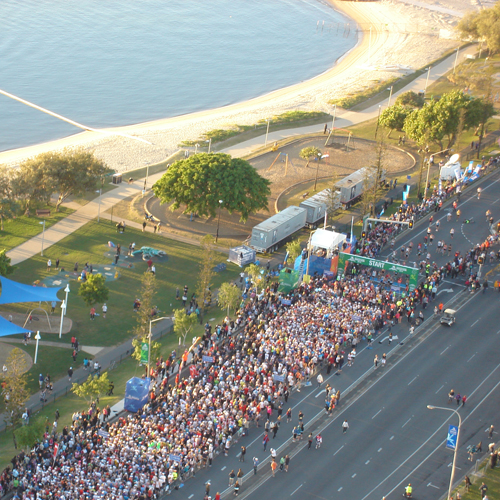
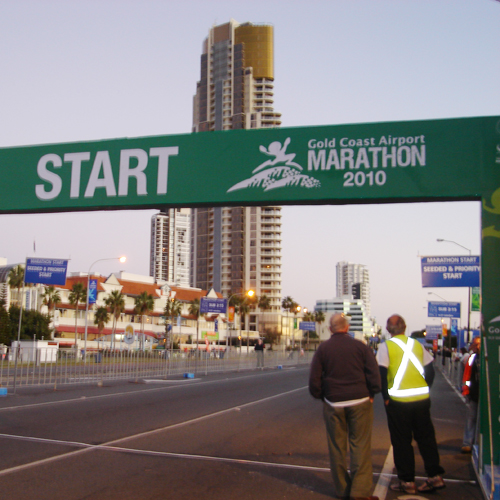
    1979年から開催されたゴールドコーストエアポートマラソンは、世界各国から参加される選手や、日本人参加者も数多く、世界的に注目を浴びているマラソン大会です。冬のオーストラリア・ゴールドコーストで 年に一回、7月第1週に開催されます。冬のオーストラリアは過ごしやすく、日本とは1時間の時差で、高低差が無いフラットなコースは走りやすい条件だといわれます。

    日本とオーストラリア間の文化、教育など異文化交流による相互理解を推進する独自なプログラムを構成、提供してきたネットワードインターナショナルでは、スポーツ交流の場一環としてマラソン大会参加者を募集いたします。大会最終日にはディナーパーティーやゴールドコーストのライフスタイルを紹介するプログラムを予定しております。

    期間:2017年7月1日(土)~7月2日 (日)
    参加費用:180,000 ~(往復航空代金(ビザ含む)、宿泊、現地交通費) ※種目参加費はエントリーにより異なりますので、担当者に早めにお申し込み下さい。 ※海外旅行傷害保険は自己希望に応じて必ずご加入して下さい。 ※観光日を追加したい場合は、やはり早めにご希望をお知らせ下さい。見積りを提出致します。

    7月1日(土)
    ・10km 走
    ・5.7km チャレンジ
    ・4km ジュニアダッシュ
    ・2km ジュニアダッシュ

    7月2日 (日)
    ・ハーフマラソン
    ・フルマラソン

    Gold Coast Airport Marathon(公式サイト)
    URL:http://www.goldcoastmarathon.com.au

    募集締め切り:2017年2月31日(金)

    お問い合わせ:ネットワード・インターナショナル(担当:三浦)

    日程等に関しては、個別に対応出来ますのでご相談下さい。グループでの参加や観光等を加える事も可能です。柔軟に対応致します。


    • 写真:Gold Coast Marathon
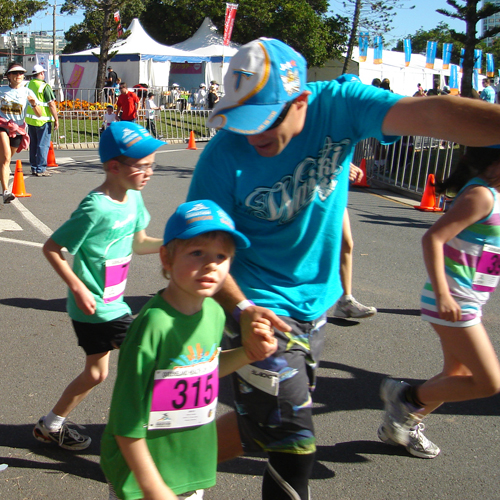
    • 写真:Gold Coast Marathon
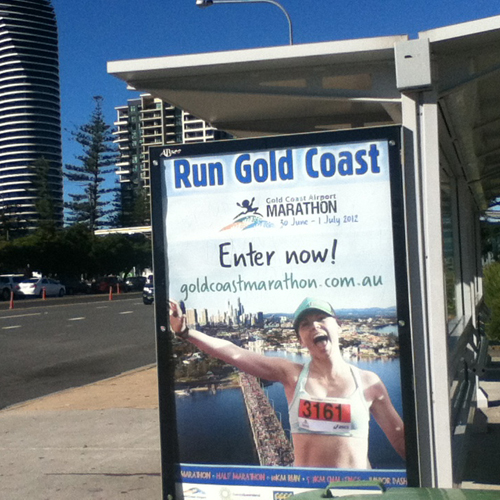
    • 写真:Gold Coast Marathon
    • 写真:Gold Coast Marathon


  • 2018年 パンパシフィック・マスターズゲーム開催

    ネットワードインターナショナルサービス Pty Ltd/パシフィック異文化教育アカデミー(PCA) スポーツプログラム

    第11回 パンパシフィック・マスターズゲーム開催(Pan Pacific Masters Games)

    期間:2018年11月から、9日間を予定

    「パンパシフィック・マスターズゲーム」は、30歳以上の中高年・シニアを対象としたスポーツ大会で、海外からも出場者の多く、陸上、水泳、オープンウォーター、柔道、野球、ソフトボール、フットサル、サッカー、テニス、ゴルフ等の様々な種目のスポーツが楽しめます。「ネットワード・インターナショナル」では、異文化教育の一環として熟練した選手達の海外進出を促進、奨励しており、年齢や開始時期に拘束されず生涯にわたって個人のスキルレベルの向上を継続できると考えています。「ワールド・マスターズゲーム」に3度も選ばれているオーストラリアはスポーツの先端国ともいえるのではないでしょうか…そんな環太平洋の太陽の下で思う存分、身体を動かしてみませんか?教育関係で培ってきた「ネットワード・インターナショナル」ならではのユニークなトレーニングプログラムも計画しておりますので、ご参加をご希望の方はご連絡下さい。


    「パンパシフィック・マスターズゲーム」

    ————————————————————————————–
    オープンウォーター(Open Water)
    ————————————————————————————–
    競技日程:
    1日(日程が決まり次第掲載します)

    出場年齢:
    25歳以上(5歳区分)

    参加規定
    ・個人
    ・団体(チーム)4人1チーム

    競技場所:
    「ヒューマンツ湖」(Lake Hugh Muntz, Rio Vista Blvd, Mermaid Waters, QLD)

    競技種目:
    ・1.25km・2.5km・5km

    コメント:
    「湖での競技になるので、風の影響を強く受けます。慣れている選手達は年齢に関係無く強いです。」

    ————————————————————————————–
    競泳(Swimming)
    ————————————————————————————–
    競技日程:
    3日間(日程が決まり次第掲載します)

    出場年齢:
    25歳以上(5歳区分)

    参加規定
    ・個人
    ・団体(リレー)4人/8人1チーム

    競技場所:
    「サウスポート・オリンピックプール」(Southport Olympic Swimming Pool, Marine Parade, Southport)

    競技種目:
    ・自由形(50m・100m,・200m・400m)
    ・平泳ぎ(50m・100m・200m・400m)
    ・背泳ぎ(50m・100m・200m・400m)
    ・バタフライ(50m・100m・200m・400m)
    ・個人メドレー(200m・400m)
    ・リレー(自由形・メドレー:4x50m、ファンリレー:8x50m)

    コメント:
    「1人8種目まで出場可能です。ホームページには前大会のタイムが公開されていますので検討して、是非メダルを狙いましょう。プール改築しています。」

    ————————————————————————————–
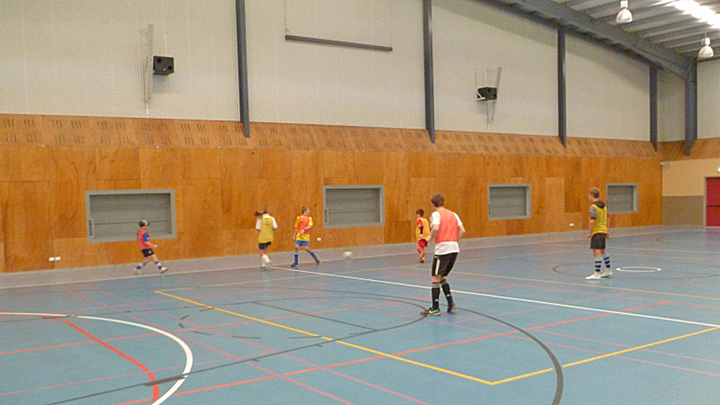
    フットサル(Futsal)
    ————————————————————————————–
    競技日程:
    3日間(日程が決まり次第掲載します)

    出場年齢:
    30歳以上、40歳以上

    参加規定
    ・個人
    ・団体(チーム)5人1チーム

    競技場所:
    「カラーラ・インドア・スポーツ・スタジアム」(Carrara Basketball Stadium, Nerang-Broadbeach Rd, Carrara)

    コメント:
    「個人出場すると既存チームに参加してプレイすることになります。技術の他にコミュニケーション能力も大切になると思います。」

    ————————————————————————————–
    サッカー(Soccer)
    ————————————————————————————–
    競技日程:
    7日間(日程が決まり次第掲載します)

    出場年齢:
    男性35歳以上、女性30歳以上

    参加規定
    ・団体(チーム)

    競技場所:
    「メトリコン(カラーラ)・スタジアム」(Gold Coast, Carrara Stadium, Nerang-Broadbeach Road, Carrara)

    会場URL:
    http://en.wikipedia.org/wiki/Carrara_Stadium

    コメント:
    「平日の大会にチーム遠征は難しいと思いますが、実現可能ならばオーストラリアサッカーのコーチトレーニング等を考えています。」

    ————————————————————————————–
    テニス(Tennis)
    ————————————————————————————–
    競技日程:
    6日間(日程が決まり次第掲載します)
    シングルス1日 + ダブルス1日 + 複合2日 + 団体2日

    出場年齢:
    35歳以上

    参加規定
    ・シングルス
    ・ダブルス
    ・団体(チーム)

    競技場所:
    「ゴールド・コースト・シニアーズ・テニス・クラブ」(Gold Coast Seniors Tennis Club, 24 Pizzey Drive Mermaid Waters)

    会場URL:
    http://www.tennis.com.au/gcstc/

    コメント:
    「大会当初から日本の参加者が多い種目です。」

    ————————————————————————————–
    ゴルフ(Golf)
    ————————————————————————————–
    競技日程:
    4日間(日程が決まり次第掲載します)
    個人2日 + 団体2日

    出場年齢:
    30歳以上

    参加規定
    ・個人
    ・団体(チーム)2人1チーム

    競技場所:
    「アッシュモア・RACV・ロイヤルパインズ・リゾート」(RACV Royal Pines Resort, Ross St, Ashmore)

    会場URL:
    http://www.racv.com.au/wps/wcm/connect/racv/Resorts

    コメント:
    「団体戦は、2チームで競うので「Four Ball」、チーム内で「Best Ball」が得点となります。チームワークで分担することが勝敗を分けると思います。」


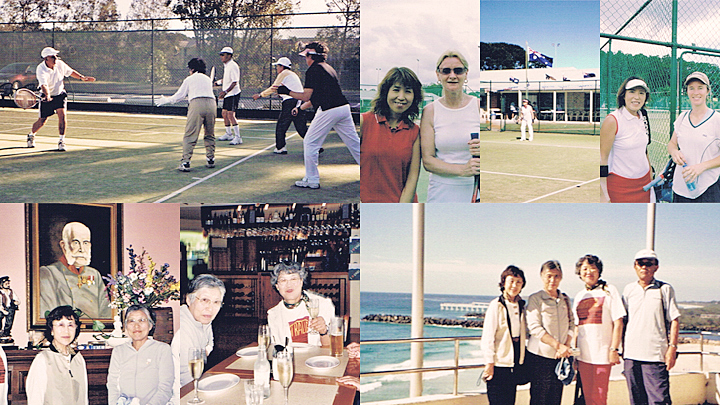
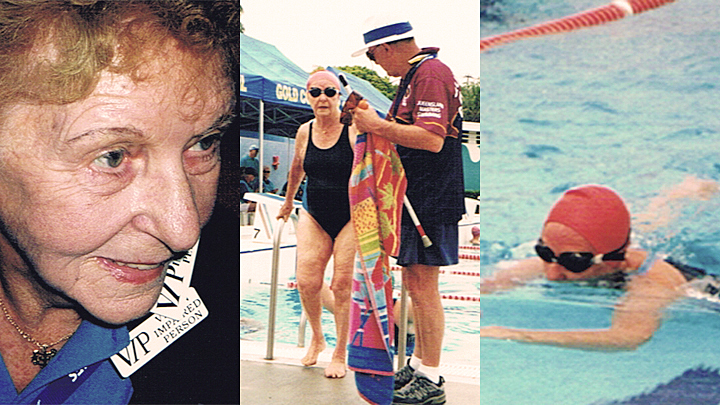
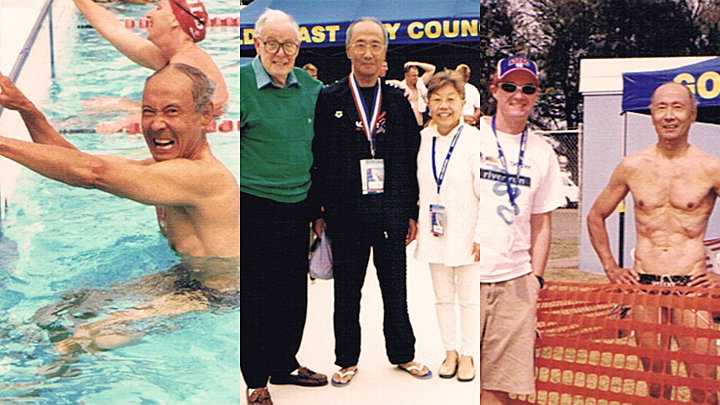
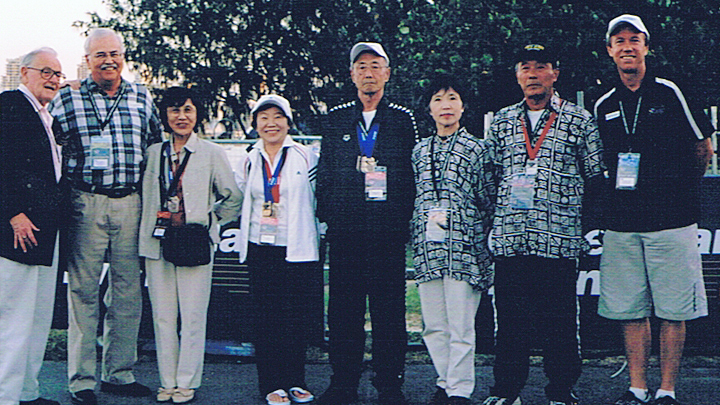
    「パンパシフィック・マスターズゲーム」2004年大会の様子を紹介します。

    写真:パンパシフィック・マスターズゲーム
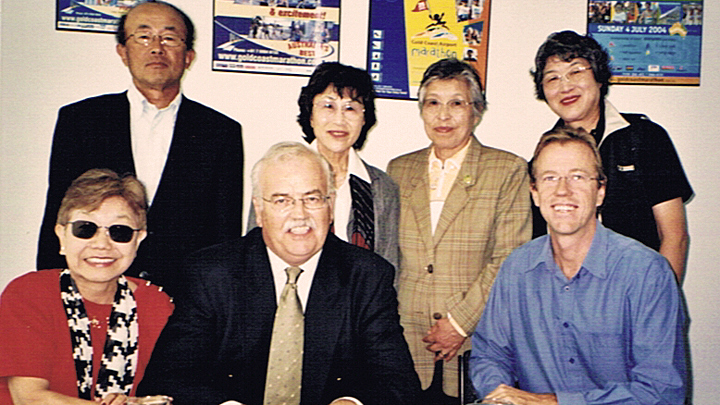
    「パンパシフィック・マスターズゲーム」「ゴールドコースト・エアポートマラソン」のヘッドオフィスにて、和子・ドレイク氏、ケリー・ワトソン氏らと

    写真:パンパシフィック・マスターズゲーム
    大会参加者に向けてのテニス「ミニ・クリニック」を行いました。大会修了後は「ポイント・デンジャー」にも立ち寄りました。

    写真:パンパシフィック・マスターズゲーム
    爽快な平泳ぎを披露したマルゴ・バーンさん、大会参加時の年齢は92歳でした。

    写真:パンパシフィック・マスターズゲーム
    圧倒的なレコードでメダルを獲得した高比良さん、現在は息子さんが活躍しています。

    写真:パンパシフィック・マスターズゲーム
    最終日、大会出場者全員でドレイク氏と記念撮影です。ケリー・ワトソンさんも駆けつけてくれました。


    Pan Pacific Masters Games(公式サイト)
    URL:www.mastersgames.com.au/


  • 2017年 春休み『サッカークリニック&語学研修プログラム』

    ネットワードインターナショナルサービス Pty Ltd
    パシフィック異文化教育アカデミー(PCA)スポーツプログラム


    Down Under Soccer Clinic and Cross-Culture Exchange Program
    サッカークリニック&語学研修プログラム
    オーストラリア・ゴールドコースト

    Soccer Schools Gold Coast

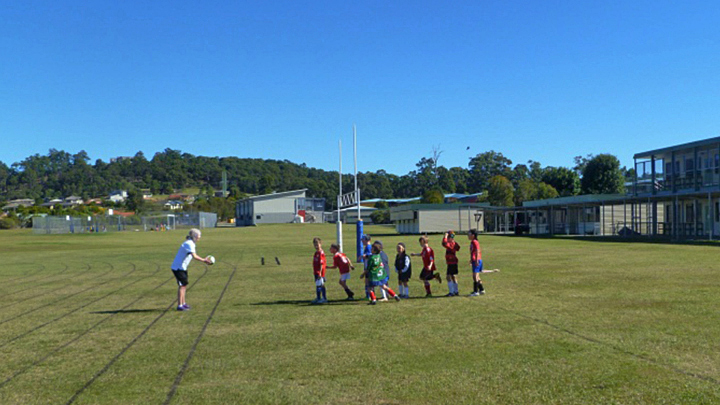
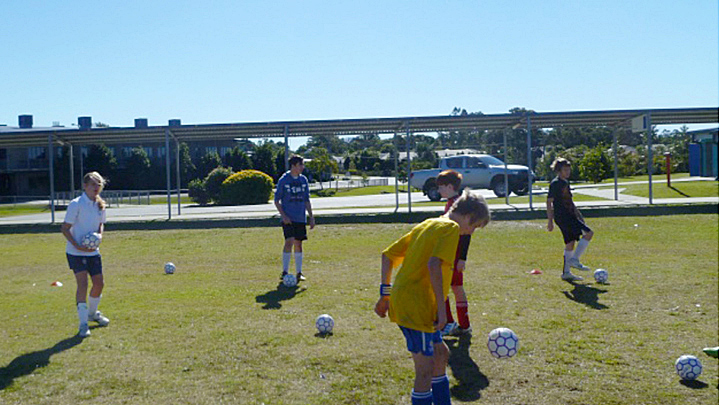
    環太平洋唯一の正統派英語圏であるオーストラリアの自然と、親日的なクィーンズランド州ゴールドコーストに於いて、異文化教育機関であるパシフィック・クロスカルチャー・アカデミー(PCA)が20余年のスポーツトレーニングに加え、イギリスのロンドン北部に生まれ代々Football Familyとして育ったNigel Phillips氏とUDG(サッカーエリート育成グループ)のPaul Osborne氏(UEFA C級ライセンス)のテニクニカル指導の元に、スポーツマンシップの養成、技術向上を組み込み、異文化理解、語学研修カリキュラムとホームステーを通し、国際理解度を向上させ、国際人として世界で活躍出来るような人格を育てる事を目的としています。コーチの為の特別コースも提供しています。


    詳細

    • 日程:2017年3月23日(木)~3月30日(木) 8日間
    • 対象年齢:小中高生
    • 内容:トップジュニアコーチによるクリニック、地元チーム(Gold Coast Knights)とのフレンドリーマッチ、語学集中レッスンを受講、宿泊はホームステー、またはスポーツ施設、表彰式、語学研修終了式、BBQパーティーにてホストファミリーとの交流会、他

    スケジュール

    1. 1日目:夜 成田発。
    2. 2日目:朝 ゴールドコースト着。
      PCA にてオリエンテーション、英語力レベルチェック。 夕方 ホストファミリーと対面、ホスト宅へ移動。
    3. 3日目:サッカークリニック 9:00-13:00、語学レッスン 16:00-17:00(or15:00-16:00)
    4. 4日目:サッカークリニック 9:00-13:00、語学レッスン 16:00-17:00(or15:00-16:00)
    5. 5日目:サッカー 地元クラブとのフレンドリーマッチ(JPN vs AUS)、BBQ交流会
    6. 6日目:サッカークリニック 9:00-13:00(4/1 サッカー修了式)、語学レッスン 16:00-17:00(or15:00-16:00)
    7. 7日目:9:00-14:00 カランビン野鳥園 15:00-16:00 修了式(軽食)
    8. 8日目:帰国 夕方成田着

    *サッカークリニック/語学レッスン:4日間、交流試合:1日、野外学習:1日


    費用:

    1~15名参加:約305,000円
    16~20名参加:約298,000円
    第一次受付申込み: 2016年10月31日迄に航空運賃代15万円、残金2017年3月31日迄

    費用内訳

    航空運賃(成田/豪空港税、燃油サーチャージ、ビザ申請代行手数料)・現地交通費(送迎、全行程)・宿泊費(ホームステー)・全行程のランチ、BBQ、野外学習入場料・クリニック、コーチング料、試合アレンジ、グランド/その他の施設使用料・現地総合バイリンガル監督費・ホストファミリーの選考、研修中、野外学習時交流会等のコーディネート費、Tシャツ・プラクティスシャツ&パンツ・ドリンクボトル

    • オプショナルなテーマパーク入場料は自己負担
      *旅券(パスポート)は各自申請。海外旅行傷害保険は費用に含まれておりませんので、各自ご加入ください。
    • 空港税等は発券時の為替レートにより変動します。また、燃油高騰等の理由により、燃油サーチャージ等が
      予告なく値上げになる場合がございます。
    • 最終決定後の変更は出来ない航空券となります。
      *発券後の変更・キャンセルは不可となります。
      *上記参加費用は為替レート、航空会社の料金の変動で多少前後する場合があります。

    Soccer Schools Gold Coast

    【緊急時のサポート料金】

    ひとり10,000~50,000円

    サポート内容:
    • 緊急時の電話連絡
    • 緊急時面会2回(対応時間4時間-基本料金¥10,000 の場合)
    • ケガ、病気での病院への付き添い対応-¥30,000~50,000(緊急時現金立替サービス、保険申請の為の病院との対応、通訳サービス)
      追加サービス4時間(基本料金¥10,000 の場合)

    ■主催:

    ネットワードインターナショナルサービス Pty Ltd/PCA
    2602 Pivotal Point, 50 Marine Parade, Southport, Qld 4215 Australia
    TEL +61-7-5528-3377 FAX +61-7-5528-3373
    Nigel Phillips & UDG

    ■企画手配旅行代理店:

    H.I.S.ゴールドコースト支店

    ■協力:

    オーストラリア連邦/ゴールドコーストサッカー協会
    QLD 州ジュニアサッカー協会
    ジェットスター航空


    【現地スタッフ紹介】

    ■ネットワードインターナショナルサービス Pty Ltd/PCA

    総合責任者: 和子 K. ドレイク
    バイリンガルELS教師: マーガレット・今井
    スポーツディレクター: ナイジェル・フィリップス

    ■SOCCER SCHOOLS GOLD COAST PTY LTD

    Nigel_Phillips

    マネージャー:ナイジェル・フィリップス

    出身地:イギリス・ロンドン北部、サッカー一家に生まれ育ちイギリスからオーストラリアのメルボルン に移住後もサッカーを続け、6年前程からコーチングやゴールドコー スト近郊のトップレベルのクラブマネージャーとして活躍。現在15才と13才の 2人の息子も強豪 Gold Coast Knights(1 部)でプレーしている。

    ■ULTIMATE DEVELOPMENT GROUP

    Paul_Osborne

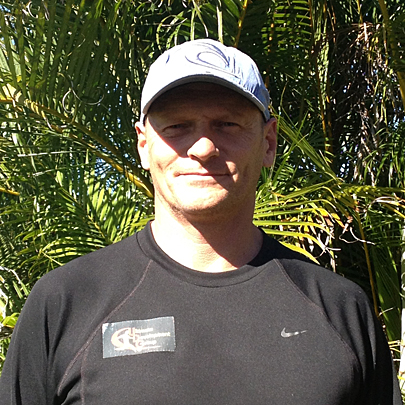
    コーチ:ポール・オズボーン

    出身地:イギリス・ロンドン中心部

    サッカー歴:ウェストハム・ユナイテッド ジュニア/ユースアカデミー イングランドスクール代表

    選手歴:セミ-プロ12年

    指導歴/有資格:公認コーチ歴11年

    ライセンス:ジュニアライセンス、FA レベル 1、ユースライセンス、シニアライセンス、
    UEFA C 級ライセンス(現在 B 級ライセンス取得に向けて準備中)

    Ulutimate Development Group
    www.ultimatedevelopmentgroup.com

    Soccer Schools Gold Coast


    【参考情報(2013年現在)】

    短期 / 長期留学例
    ●費用及び、往復航空コスト等の比較

    オーストラリアの滞在費がイギリスと比較すると安くなります。出費を嵩みがちな留学費用を抑えて長期的な計画立ができます。

    平均往復航空券:
    約128,000円(オーストラリア)
    約195,000円(イギリス)

    授業料:語学 / サッカー実技研修(3ヶ月)
    約350,000円(オーストラリア)
    約430,000円(イギリス)

    ホームステー:
    約290,000円(オーストラリア)
    約360,000円(イギリス)

    ●オーストラリアの気候

    年間を通して雨が少なく、温暖な気候は日々の生活に重要な要素です。

    ●オーストラリアの多彩な食事

    野菜や果物が豊富なオーストラリアは、現在では食文化の先進国となっています。また農業立国ですので、国産に対する国民的意識と食べ物には安心感があります。

    ●教育水準の高さ

    留学が国内産業としても顕著なために教育には信頼がおけます。公用語としての英語地域、オーストラリアでは人口の78.5%が家庭で英語のみを使用している。

    ●治安の良さ

    2012年から今年にかけて、元日本代表MF小野伸二が2005年から発足したプロAリーグ「ウェスタン・シドニー」に移籍して活躍した事によって日本だけではなく、「ラグビー」大国オーストラリアでもサッカー熱が次第に高まっています。今後、競争力を増すと予想されるオーストラリアでプロを目指す事が可能です。

    ●サッカーの本場、ヨーロッパを目指すことも可能です。

    当学院サッカー部長ナイジェル・フィリップおよび、主任コーチポール・オズボーンは、イギリスで培われた土俵をバックグラウンドに持っています。彼らの経験と資格を生かして将来的なオーストラリア、ヨーロッパ留学をサポート出来ます。


  • 2017年 小学生向け 異文化体験語学研修プログラム実施概要

    2017年 小学生向け 異文化体験語学研修プログラム実施概要

    写真:小学生オーストラリア留学

    滞在国 / 地域:オーストラリア(ゴールドコースト)

    期間:9日間

    春休み
    ①2017年3月23日(木)〜3月31日(金)
    ②2017年3月30日(木)〜4月6日(金)

    夏休み
    ①2017年8月12日(土)〜8月20日(日)
    ②2017年8月19日(土)〜8月26日(日)

    費用:
    春休み お一人様 338,000円
    夏休み お一人様 348,000円
    費用に含まれるもの – 往復航空運賃、日本国内および豪空港税、宿泊費、食費(三食付)、スケジュール記載以外のアクティビティ(シー・ワールド入場料)、海外旅行傷害保険(自己負担)


    オーストラリアでの生活を一日紹介

      • 07:00 – 07:00
      • 起床(Wake up)Good morning!
        写真:小学生オーストラリア留学
      • 朝食(Breakfast)yum, yum
        写真:小学生オーストラリア留学
        • 朝はがんばって自分で起きましょう。
        • お風呂(シャワー)は朝入ることが多い。
        • 朝食はコーンフレークやパンを食べます。
        • 朝食は自分で用意することもあるからがんばって。
    • 08:00 – 09:00
    • PCAスタディーセンターへ
    • いってきま〜す(See you later.)
      写真:小学生オーストラリア留学
    • PCAスタディーセンターとは…
      毎日みんなが通うPCAの現地施設です。この学校へはホストファミリーの車で通学、平日はスタディーセンターに全員が集まり、ここから1日の生活が始まります。
    • 09:00 – 16:00
    • PCAスタディーセンターでの色々なアクティビティ
    • 現地の友達との会話や家庭での会話を練習
      写真:小学生オーストラリア留学
    • スポーツ交流や授業体験
      ラグビー、サッカー、水泳、etc…
      写真:小学生オーストラリア留学
      • 語学研修は、楽しい英会話ゲーム等を予定しています。授業勉強としての英語ではなく、現地の友達や家族と上手に話せる勉強をみんなで行います。
      • 午後の3時間は、地元の子供達と一緒にスポーツ、サッカー等の交流活動を行います。
      • 小旅行では動物園や美術館、市内観光、英会話の実践の場としてショッピング体験などに行く予定です。
    • 一日小旅行(Have a nice trip.)
      写真:小学生オーストラリア留学
    • 地元の子供達との交流(Good day mate!)
      写真:小学生オーストラリア留学
    • 17:00 – 19:00
    • 夕食
    • ただいま(I’m home)オージーはBBQが大好き?!
      写真:小学生オーストラリア留学
    • 夕食、いただきま〜す(英語にはない言葉??)
      写真:小学生オーストラリア留学
      • オーストラリアには日本にない食べ物がいっぱい。好ききらいはダメです。でも口に合わない時はちゃんと言いましょう。それとおなかがいっぱいの時も無理に食べないでね。
      • 食後の大盛りデザートも楽しみですね。
    • 20:00 – 22:00
    • 夕食後
    • 自分のことや、日本のことも教えてあげよう。
      写真:小学生オーストラリア留学
    • おやすみ(Good night)
      写真:小学生オーストラリア留学
      • 食事の片付けはすすんで手伝いましょう。
      • すぐに自分の部屋には戻らず、出来るだけホストファミリーと一緒にいて、がんばって色々なことをしましょう。
      • みんな寝る時間は早いよ。夜9時くらいにはgo to bed(ベットへ)です。

  • 全行程のスケジュール

    日程 スケジュール
    1日目 成田、関西空港発
    2日目 ゴールドコースト着、オリエンテーション、ホストと対面
    3日目 英語研修(午前)、研修(午後)
    4日目 英語研修(午前)、ゲーム(午後)
    5日目 英語研修(午前)、ビーチアクティビティ
    6日目 ブリスベン市内観光、科学博物館等(電車利用)
    7日目 カランビン野鳥園
    8日目 シーワールド見学(テーマパーク)
    9日目 ホストと自由行動
    10日目 帰国

    9日目のケースでは予定が若干変更されます


    プログラムについて:

    ホームステイ
    一般家庭にお世話になり、家族の一員として生活します。週末は家族と共に過ごします。

    少人数英語クラス(平日午前3時間、午後2時間)
    研修中15人以下を1クラスとして、英会話の授業が行われます。
    ホームステイに必要な会話を中心とした授業で、話すことを主とした授業が行われます。

    フィールドトリップ
    地域の銀行や郵便局、文化施設、ショッピングセンター等の見学、地元の児童との文化交流等

    英語の先生はオーストラリア人で日本語も堪能な小学校の先生です。


    【参加資格】
    心身とも健康な、国際理解及び語学学習に意欲をもって挑戦できる小学生

    【募集対象】
    小学校4〜6年生(希望があれば3年生も可能です。)
    2017年1月末・4月末に東京にて説明会予定。

    【定員】
    20名(最少遂行人員10名)

    【英語力について】
    当プログラムは、英語の勉強を始めた小学生を対象とし、今後の英語学習への興味を持つきっかけとなるものを得て頂くためのものですので、英語力は問いません。ホームステイでは、ホストファミリーとのコミュニケーションは英語となりますが、ファミリーも参加者が英語学習を始める前の小学生であることを理解して受け入れをしています。なお、緊急時は日本語でサポート致します。

    【利用予定航空会社】
    ジェットスター航空

    【旅行代理店】
    PCA契約 HISゴールドコースト

    写真:小学生オーストラリア留学


  • ゴールドコーストエアポートマラソン参加者募集(2016)

    ネットワードインターナショナルサービス Pty Ltd. Netword International Services Pty Ltd.

    パシフィック異文化教育アカデミー Pacific Cross-Culture Academy(PCA)
    スポーツプログラム


    Gold Coast Airport Marathon(ゴールドコーストエアポートマラソン)参加者募集

    『ネットワード・インターナショナル・サービス(以下、Netword)』『パシフィック異文化教育アカデミー(以下、PCA)』では、社会人、大学、高校学校、中学校、小学校。または、それら教師・教員等の長期・短期留学、教育視察、スポーツトレーニング、異文化教育を行っております。

    1979年から開催されたゴールドコーストエアポートマラソンは、世界各国から参加される選手や、日本人参加者も数多く、世界的に注目を浴びているマラソン大会です。冬のオーストラリア・ゴールドコーストで 年に一回、7月第1週に開催されます。冬のオーストラリアは過ごしやすく、日本とは1時間の時差で、高低差が無いフラットなコースは走りやすい条件だといわれます。

    日本とオーストラリア間の文化、教育など異文化交流による相互理解を推進する独自なプログラムを構成、提供してきたネットワードインターナショナルでは、スポーツ交流の場一環としてマラソン大会参加者を募集いたします。大会最終日にはディナーパーティーやゴールドコーストのライフスタイルを紹介するプログラムを予定しております。

    期間:2013年7月2日(土)~7月3日 (日)
    参加費用:180,000 ~(往復航空代金(ビザ含む)、宿泊、現地交通費) ※種目参加費はエントリーにより異なりますので、担当者に早めにお申し込み下さい。 ※海外旅行傷害保険は自己希望に応じて必ずご加入して下さい。 ※観光日を追加したい場合は、やはり早めにご希望をお知らせ下さい。見積りを提出致します。

    7月2日(土)
    ・10km 走
    ・5.7km チャレンジ
    ・4km ジュニアダッシュ
    ・2km ジュニアダッシュ

    7月3日 (日)
    ・ハーフマラソン
    ・フルマラソン

    Gold Coast Airport Marathon(公式サイト)
    URL:http://www.goldcoastmarathon.com.au

    募集締め切り:2016年4月28日(木)

    お問い合わせ:ネットワード・インターナショナル(担当:三浦)

    日程等に関しては、個別に対応出来ますのでご相談下さい。グループでの参加や観光等を加える事も可能です。柔軟に対応致します。


    • 写真:Gold Coast Marathon
    • 写真:Gold Coast Marathon
    • 写真:Gold Coast Marathon
    • 写真:Gold Coast Marathon