投稿者: admin

  • 大相撲オーストラリア公演

    Australian Grand Sumo Tournaments
    大相撲オーストラリア公演

    写真:大相撲オーストラリア公演

    Australian Grand Sumo Tournaments will be held as part of a program from 1996-1998 commemorating the friendship between Australia and Japan.

    写真:大相撲オーストラリア公演

    The period 1996-1998 marks the anniversaries of a series of important milestones in the development of the Australia-Japan relationship. During this period the Australian and Japanese Governments have agreed to mark these anniversaries with a series of events. The logo has been developed as the official symbol of the ‘Friendship Anniversaries’.

    写真:大相撲オーストラリア公演
    写真:大相撲オーストラリア公演

    Major Sponsors
    写真:大相撲オーストラリア公演

    Sponsors
    写真:大相撲オーストラリア公演

    Local Sponsors
    写真:ペンタックス


    写真:大相撲オーストラリア公演

    Sumo is an ancient sport which dates back some 1500 years.

    Early sumo was a scrappy affair but over time, rules were formulated and techniques developed so that it came to resemble the sumo of today.

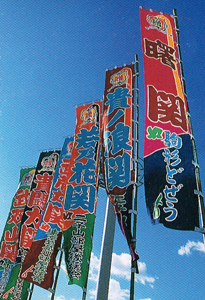
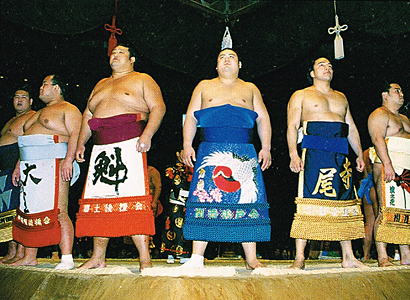
    写真:伝統ある横断幕には力士名が見える
    Traditional banners show rikishi names

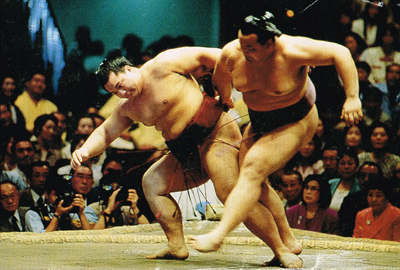
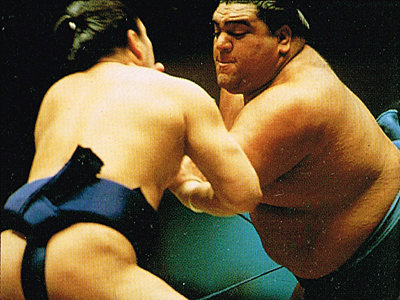
    The sumo ring, made from a special clay, is called the dohyo. Bouts are contested in an inner circle, and are won by forcing the opponent out of this circle, and are won by forcing the opponent out of this circle or throwing him in the dohyo. The rikishi(wrestler) who touches the ground with any part of his body or steps out of the inner circle loses the bout.

    写真:力士は土俵の上で勝負する
    Rikishi bout on dohyo.

    Striking with fits, hair pulling, eye gouging, choking and kicking in the stomach or chest are prohibited as is seizing the part of the mawashi(silk loincloth) which covers the rikishi’s vital organs. With no weight limits, rikishi may find themselves up against opponents twice their own weight.

    The winner of a tournament is the rikishi with the best win / loss record. The matches of the lowest ranked rikishi start in the morning, followed by those of progressively higher and higher rank, ending with the bouts featuring the yokozuna(Grand champion)

    写真:大関武蔵丸
    Oseki Musashimaru

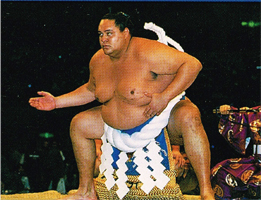
    The yokozuna’s position is unique. Only 65 rikishi have achieved this honour since the title was first created 300 years ago. Only the yokozuna can never be demoted. Should he continue to have bad records, he is expected to retire. Under the critical gaze of the Nihon Sumo Kyokai, candidates for yokozuna must have proven themselves to be men of character worthy to hold such an exalted position.

    写真:横綱貴乃花
    Yokozuna Takanohana

    写真:横綱曙
    Yokozuna Akebono

    A sumo bout begins with colorfully clad gyoji(referee) entering the dohyo with the rikishi to announce the names of the combatants. During the match the gyoji watches the rikishi carefully and shouts out words of encouragement. If there is any doubt about a referees decision, the four judges in black kimonos may enter the ring to decide the result. They may over-rule a referee or order a rematch.

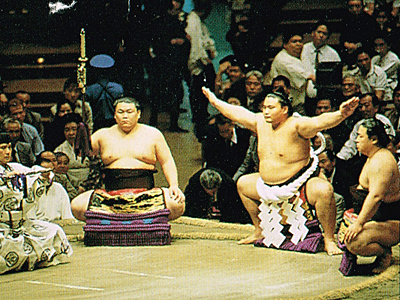
    Each rikishi enters the dohyo and performs a series of symbolic movements, drinking water to cleanse his mind and body and scattering salt to purify the ring. The rikishi then squat and glare fiercely at each other in the centre of the ring. This is called the shikiri.

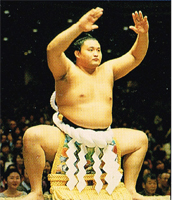
    写真:幕内土俵入り
    Maku-uchi(Top ranked rikishi) Dohyo-iri

    Returning to their corners for more salt, they repeat the shikiri again and again, usually for the full four minutes allowed under the rules.

    Theoretically, the rikishi wait for the psychological moment when they both feel ready to achieve victory.

    写真:大相撲オーストラリア公演

    Nihon Sumo Kyokai(Japan Sumo Assoc.)
    are proud to present the Australian Grand Sumo Tournaments to be held in Melbourne on June 6 and 7 and in Sydney on June 13 and 14.

    Never before seen in Australia, this once in a lifetime opportunity will allow Australians to experience first hand, the power and the glory that is Sumo.

    The June tournaments, will mark the celebration of the 100th anniversary of the establishment of bilateral relations between Australia and Japan.

    Tickets are selling fast, don’t miss your chance to see one of the most powerful and explosive events to come to Australia this year.

    写真:大相撲オーストラリア公演

    AUSTRALIAN GRAND SUMO TOURNAMENTS

    7pm FRI 6/7pm SAT 7 JUNE
    MELBOURNE PARK

    7pm FRI 13/7pm SAT 14 JUNE
    SYDNEY ENTERTAINMENT CENTRE

    Organised by: Nihon Sumo Kyokai(Japan Sumo Association)
    With help form: State of Victoria, Sate of New South Wales, City of Melbourne, City of Sydney.
    Supported by: Australian Embassy Tokyo, Japan Australian New Zealand Society, Inc.

    資料:Australian Grand Sumo Tournaments【1997.06.07,14】


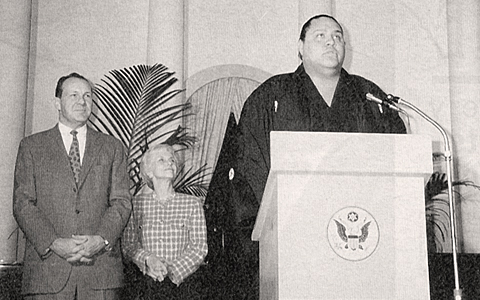
    Armacosts honor Shin Yokozuna Akebono

    写真:Yokozuna Akebono

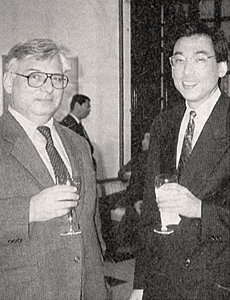
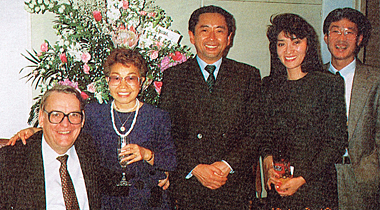
    U.S. Ambassador Michael Armacost and his wife Bonny listen as newly promoted Yokozuna Akebono(Hawaii’s Chad Rowan) addresses his fans at an embassy reception in his honor. CBS News Yokyo Bureau Chief Bruce Dunning with James Hattori. Fuji Xerox Chairman and CEO Yotaro Kobayashi, his wife, former sumo great, now stable master for Akebono, Azumazeki Oyakata(former Jesse Kuhaulua), Mike and Bonny Armacost.

    写真:Australian Grand Sumo Tournaments Reception

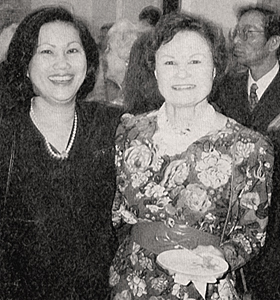
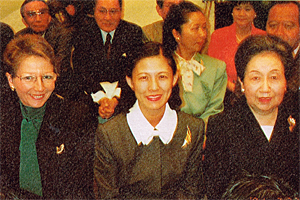
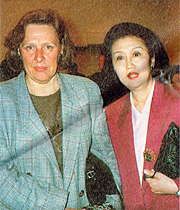
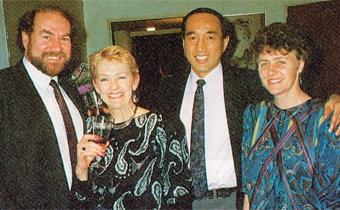
    At left: Penny Johannessen, wife of the ACCJ President, with Japan Times’ Jean Pearce. Kathy Kriger, Delta’s Joe Hale and his wife Marguerite.

    Returning to their corners for more salt, they repeat the shikiri again and again, usually for the full four minutes allowed under the rules.

    Theoretically, the rikishi wait for the psychological moment when they both feel ready to achieve victory.

    写真:Yokozuna Akebono,Kazuko Drake

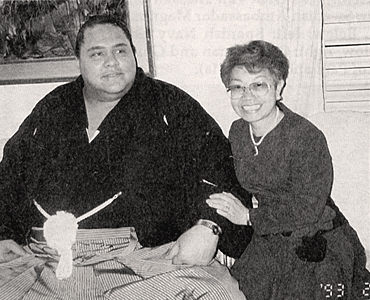
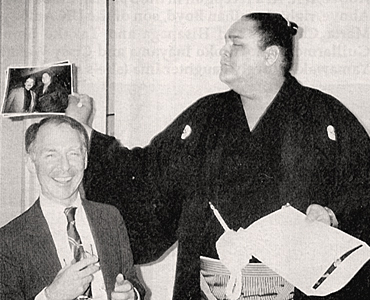
    Akebono posed with scores of fans that evening among them(from left) Kazuko Drake, U.S. Cultural Attache Robin Berrington(with a photo Hersrey took of Akebono and Tom Selleck) and Coca-Cola’s Robert Harland and Kinuyo Sato.

    記事:Australian Grand Sumo Tournaments Reception【1997.06.10】

  • 視聴覚教育掲載『インター日記③』

    『ネットワード・インターナショナル・サービス(以下、Netword)』『パシフィック異文化教育アカデミー(以下、PCA)』がメディア掲載、取材等で取り上げられた記事を紹介致します。
    以下、掲載記事


    【インター日記 新しい教育の方法を模索して③】

    嬉しい!驚きの声!ロビナ小学校の子どもたち
    グローバルメディア エデュケーショナル コンサルティンググループ代表
    和子・ドレイク

    写真:インターネットテレビ会議写真:インターネットテレビ会議


    インターネットテレビ会議システムの利用

    筆者はこれまで、コンピュータ教育開発センター(CEC)のマルチメディア教育に関するプログラムのなかで、三年前よりオーストラリアとのコーディネートを手がけてきた。今回、視聴覚教育の一環として、京都市立松尾小学校とオーストラリアのロビナ小学校とのインターネット・テレビ会議が成功できたことは、準備期間がわずか一か月弱であったにもかかわらず、松尾小学校とロビナ小学校の校長のご理解、各担当の先生方の専門分野でのテクニカルな効果的援助、そして何にもまして、このテレビ会議に参加してくれた両校の四年生の純な好奇心に満たされた、まさに未来を背負っていく子ども心が大きな力となったと確信している。

    このプロジェクトのいきさつについては、前回の松尾小学校の中井先生の報告をご覧いただくとして、今回は、テレビ会議当日のロビナ小学校での様子を報告する。

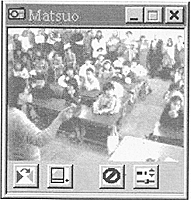
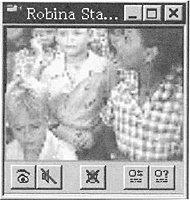
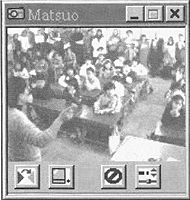
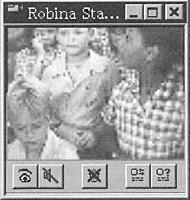
    写真:テレビ会議の様子(左上が筆者)
    図1)テレビ会議の様子(左上が筆者)


    テレビ会議の準備

    オーストラリアは一月二七日より、新学期が始まった。クイーンズランド州教育庁のテクノロジー教育の中のコンピュータサポートセンターの担当教師であるパム・モルナーさんとポール・バード校長、筆者が、二七日よりリソースセンターである図書館にインターネットの設備を設置した。そして翌二八日に松尾小学校とインターネットでの接続を試み、成功した。

    しかし、日中の時間帯では音声を含めての会議は大変時間がかかりすぎることと、不確実な点が判明したので、コンピュータスクリーンに両校の生徒たちの様子をとらえ、電話にスピーカー装置を加えて、両国、両校、全員が画像を見ながら討議交流が実現したわけである。

    今回は第一回目の試みで、ロビナ小学校へは松尾小学校の質問に答える形を取ることを了解してもらい、中井先生よりQ&A形式のリクエストにロビナ小学校のバード校長、クリス先生と表のように作成し、当日は両校が英文のテキストを手に、ロン・ケイスリー先生(松尾小学校側通訳)と、筆者(ロビナ小学校側通訳)が最小限のコミュニケーションガイドを受け持ち会議を進めた。

    当日のトピックスは子どもたちが大変身近に意識し、素晴らしいプログラム作業をしている環境問題 ―― 川や道路、家庭、学校よりのゴミ処理についてであり、テレビ会議を進めるのに大変わかりやすく適した内容であった。


    ロビナ小学校の成果について

    ロビナ小学校は一九九〇年の一月末に約二五〇人の生徒で開放し、昨年一二月には第一期生一二名が卒業した。

    バード校長は第二外国語の修得に日本語を採用し、高学年の六、七年生は全員が日本語を熱心に学んでいる。一九九一年より日本への異文化交流プログラムを実施し、現在では広島県と岐阜県の姉妹校との交流が毎年確実に行われている。今回、松尾小学校の四年生のプロジェクトということで、ロビナ小学校も四年生が対応してくれた。

    • 生徒たちは未だ日本語を学習していないが、日本からの学生の来訪には接しており、大変興奮して、かたことの日本語のあいさつや、松尾小学校の返事の声を耳にし、素晴らしい体験をしたと、誇らしい表現を強く示した。
    • 校長をはじめ教師は、二年前よりCECの一〇〇校プロジェクトの一〇一校目に選んでくれたことをバネに、前向きに今回のような機会を求めていたので、大変意欲的に取り組むことができ、またさらに将来のプロジェクトへ取り組む姿勢が高まった。
    • 今回のプロジェクトがクイーンズランド州教育庁のニューズレター「ラーニング・テクノロジー(Learning Technology)」の一面に取り上げられた。クイーンズランド州の小学校でのリーダーとして良いお手本となったことを、大変誇りに思うようになった。
    • さらに松尾小学校の皆さん、今回のこのプロジェクトの成功を支えてくれた方々とチームワークの大切さを分ち合えたことが、大きな成果といえる。

    異文化理解交流について

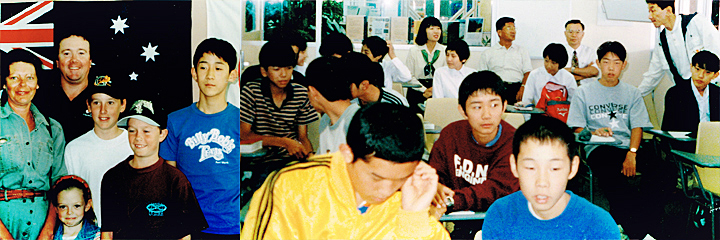
    今回のプロジェクトに際して筆者の夫であるハロルド・A・ドレイク(環太平洋異文化教育 / メディア学院長、日豪メディア・文化交流ジャーナリスト)が、サポートしてくれた。筆者は異文化理解語学教育プログラム作成、実践指導(主に日・米・英・アジア(極東)が中心)を手がけて二〇余年になる。ここ七年は環太平洋の唯一の英語圏であるオーストラリア、その中でも教育面でリーダーシップを取りつつあるクイーンズランド州での日本文化、教育等の交流に力を入れてきた。ゴールドコースト、ブリスベンの学校へのアドバイザリーとして架け橋をしているなかで、今回の教育テクノロジー分野でのプロジェクトに携わることになった。

    世界の隣国が隣人として、まるで机にいる友だちのように、海を越えて八〇〇〇キロのところで意見を交あわせたという事例を報告できたことを何より感激している。

    六月後半に定例の異文化教育交流プログラムで、ロビナ小学校の子どもたちが来日し、松尾小学校へもホームステイをベースにして訪問する。松尾小学校での肌で触れ合う授業展開が期待される。

    次回は、全体的なオーストラリアの情報教育の状況、ロビナ小学校でのアジア文化への興味、多国籍国家の様子など、さらにロビナの子どもたちの来日風景なども報告したい。

    写真:メモを手に質問に答える
    図2)メモを手に質問に答える

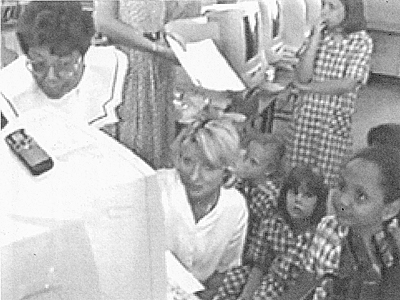
    写真:皆コンピュータ画面に注目
    図3)皆コンピュータ画面に注目

    写真:松尾小とインターネットでつながった
    図4)松尾小とインターネットでつながった

    写真:画面には両校の様子が映し出される
    図5)画面には両校の様子が映し出される

    参照:視聴覚教育 VOL.51 No.6 1997 (財)日本視聴覚教育協会

  • アンザック・デー(ANZAC Day)

    『ネットワード・インターナショナル・サービス(以下、Netword)』『パシフィック異文化教育アカデミー(以下、PCA)』では、社会人、大学、高校学校、中学校、小学校。または、それら教師・教員等の長期・短期留学、教育視察、スポーツトレーニング、異文化教育を行っております。現地、オーストラリアでのイベント、仕事や生活の日常をお伝えします。


    アンザック・デー(ANZAC Day)

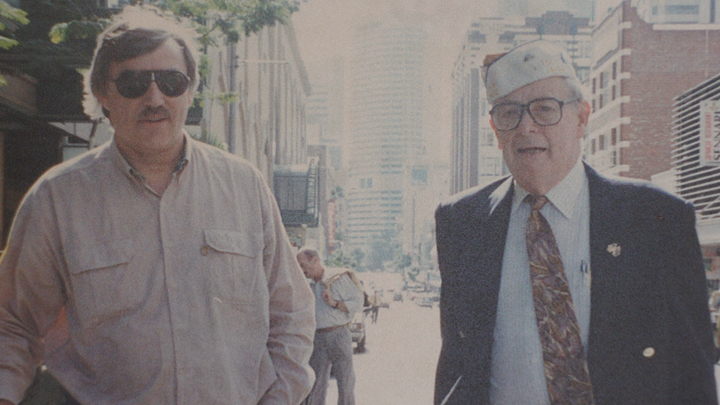
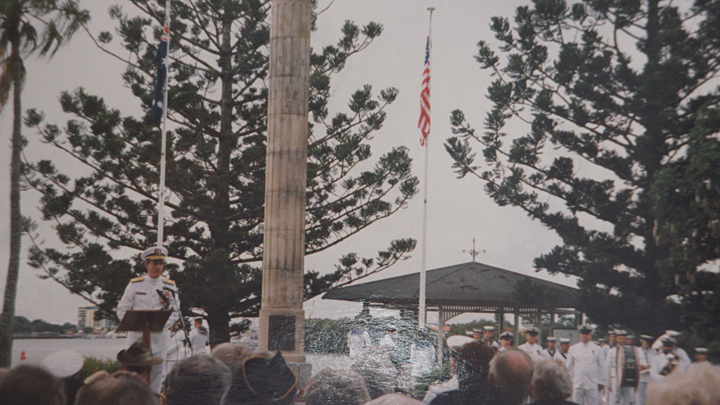
    4月25日に行われる第一次世界大戦時にオーストラリア・ニュージーランドを中心とした『ANZAC軍』がトルコのガリポリ島で戦ったのを讃えた戦没者追悼記念日です。各地でパレードや式典が行われます。

    ANZAC Day as Amefican Legion
    US / Australia Navy Memorial Day in Brisbane.

    写真:ANZAC Day

    写真:ANZAC Day

    写真:ANZAC Day

    写真:ANZAC Day

    写真:ANZAC Day

    写真:ANZAC Day

    写真:ANZAC Day

  • 視聴覚教育掲載『インター日記①』

    『ネットワード・インターナショナル・サービス(以下、Netword)』『パシフィック異文化教育アカデミー(以下、PCA)』がメディア掲載、取材等で取り上げられた記事を紹介致します。
    以下、掲載記事


    【インター日記 新しい教育の方法を模索して①】

    顔が見えた方がやっぱりええわ!
    京都市視聴覚センター 社会教育主事 指導主事
    (京都市情報教育センター 指導主事兼職)村上 繁樹

    写真:インターネットテレビ会議写真:インターネットテレビ会議


    インターネットテレビ会議システムの利用

    「わあー」「聞こえた!」信じられない!今オーストラリアと回線がつながっている。参観する私たちにも、緊張と安堵のため息が聞こえそうであった。英語の声が教室中に響く。続いて京都の子どもの声が続く。そして一五分後にテレビのモニターにもロビナ小学校の子どもが画面に登場する。歓声があがる。こうして国際電話とインターネットのテレビ会議の両方を使っての学習が展開された。


    学習の舞台と学習のあらまし

    今年一月二九日に京都市立松尾小学校の四年生と遥か太平洋をまたいだオーストラリアのクインズランド州立ロビナ小学校の四年生とのリアルタイムでの交流授業が行われた。学校教育番組をスタートに、一年間にわたって環境問題と取り組んできた京都の子どもたちが、「外国の小学校でも自分たちと同じ環境問題を学んでいるのか」「どんなことを考え、行動しているのか、その様子をぜひ知りたい」「情報の交換をしたい」と言い出したことがことの始まりである。国際電話を使って交流が行われた授業後の現在も「インターネット・テレビ会議システム」を通じて、子どもたちの交流が継続しており、今年の六月にはロビナ小学校から京都の松尾小学校への訪問が実現するそうである。

    インターネットが結んだ日本とオーストラリアのニつの小学校の今後に、多様なメディアがどうに活用されるのか強い関心と興味をもって注目している。このシリーズは、松尾小学校における視聴覚教育メディアを活かした学習を発端にして、「インターネット・テレビ会議システム」などマルチメディアを取り巻く視聴覚教育についてさまざまな角度から迫る企画である。


    実践校の京都市立松尾小学校

    文部省や京都市教育委員会の研究指定を受けて、ここ五年来、視聴覚教育メディアの活用を核とした校内研究に取り組んでいる小学校である。最近の研究主題を見ると、子ども自身が自分の思いや考えをもって進んで行う「表現力の育成」を取り上げている。教育メディアの特性の理解と教育メディアを活用した授業研究、また取材活動や学習成果の発表会で子どもたちにさまざまなメディア体験をさせる実践を積んできた。教育メディアは指導者側の道具としてばかりでなく、子どもたちの表現活動の道具としても有効であること、どのメディアがどの活動に一番働くかを子どもに選択させ、鉛筆やノートと同じように道具のひとつとしてメディアを使いこなせるように、子どもは十分に、納得のいくまで、開放して使わせようとしている。教育メディアを活用することにより、創造性や感性を培い、生き生きとした子どもの表現を引き出そうと取り組んでいる。二一台のコンピュータ導入を機に、表現の道具としてのコンピュータを評価し、学習に活かしている。注目すべき松下視聴覚教育研究財団の研究助成を受け、八年度中にLANシステムを構築し、一度に子ども側の端末六台がインターネットと接続できる環境を整備し、学習に利用していることである。またホームページを開設し、市内の小学校と電子メールで交流を始めている。日常の学習に教育メディアが当然のように活用されていることや、校内のメディア環境充実と変化の様子を子ども自身が感じとり、コンピュータで学習を体験した子どもたちは、インターネットが世界とつながっていることや学習資料にとどまらず、多様な生きた情報が満載されていることなどを自然と感じとっている。「コンピュータがあればできるにちがいない」「インターネットをやってみたいな」「見てみたいな」こうした子どもたちの思いや欲求の高まりが中井学級の今回の学習に反映しているようだ。


    学習の経過と特徴

    四年生の学習については、本誌五月号で中井万起子教論から詳しい報告があるので期待していただきたい。本稿ではテレビ会議に至るまでの学習の経過と特徴を紹介するにとどめる。

    ①ごみやリサイクルの現状や環境問題について、放送番組「わたしたちの近畿」シリーズ「ごみのゆくえ」「くらしを蚊考える・リサイクル」の二本から最新の情報を受け、地域の環境調査や取材活動を始める。映像教材(学校放送、一般番組、市販ビデオなど)とその他の資料のメディアミックスが学習意欲を高め、学習の見通しと体験学習の視点づくりとなる。

    ②地域の掃除や空き缶回収と森を買う計画など環境保全の活動の広がりが見られる。学級から学年、児童会へと発信し、輪を広げる。担任は子どもとともに働き、学習活動を支援する。

    ③少し意識が薄れた三学期に、課題の確認のために放送番組「わたしたちの近畿」の再視聴をする。この結果、実践意欲が高まり、外国での環境問題の取り組みについての情報要求へとつながった。インターネットを活用する学習方法や手段を子どもが先取りして、外国との交流を実現させ、学校を変えていった。

    当日の学習では二つの学校にそれぞれボランティアの同時通訳をおいて、国際電話とインターネットを使って交信を行う。後日にもインターネットでテレビ会議を成功させる。


    番組「わたしたちの近畿」と研究大会

    公開授業は毎日放送テレビ教育研究会京都地区大会において行われた。京都市小学校教育メディア研究会(平成八年四月に放送教育研究会と視聴覚教育研究会ならびに教育コンピュータ研究会が統合)と毎日放送テレビ教育研究会(テレビ教育願組を研究する近畿圏の教員などで構成する任意団体)が主催して、京都市立松尾小学校を会場として開催された。今年のテーマは『ごみとリサイクルを考える〜四年生が環境問題について考え行動してきました〜』で、番組「わたしたちの近畿」が主幹メディアとして利用されて、この単元の学習が開始された。

    毎日放送は、二〇年以上も前から、今日までスポンサーをつけないで、毎週金曜日の定時に学校教育番組「わたしたちの近畿〜四年生の社会科〜」を年間三九回提供している。学校現場とフィードバックしながら、最新の情報を番組に反映するよう改訂や新作を心掛けている。番組は一五分間で、近畿各地の特色ある自然環境や産業を取り上げ、人間のくらしぶりを子どもたちに語りかける。京都地域の子どもたちは番組に取り上げられた大阪や兵庫、和歌山などの他地域の情報に接しながら、自分の住む地域の様子と重ね合わせ、同じところや異なるところを感じ取り、見つけたりして、学習の対象への興味や関心を高め、好奇心や探究心を先鋭化させているのである。単に情報を提示し、知識を与えることを主とする番組ではなく、子どもたちに課題を与え、考えさせ、調べる意欲と、時には学習の見通しさえも持たせてくれる良質の学習材といえる。

    二本の番組もゴミ問題や資源・エネルギー問題を取りあげ、地球環境の保全やリサイクル社会について関心を高めるものとなっている。


    今回の実践をふりかえって

    ①社会科学習としてのスタートが、学習材としての深まりと広がりから、総合学習に膨らませ、弾力的なカリキュラムの構成になった。余裕をもって、学習課題と取り組ませ、展開できた。環境を日常の中で意識し、行動につながった。身の回りから行動し、地球的規模で考えることが外国の友だちとの交流へと実を結んだ。

    ②リアルタイムの交信のため、言語の課題を解決するために、クラブ活動(子ども国際クラブ)の外国人講師を教室に招いて、当日の同時通訳と相手校への文書などの翻訳もお願いし、この学習を支える重要な役割を果たされた。必要に応じて学習に参加していただく外部の人材を活用することが今後増えていくと思われる。

    ③インターネット一般と違って、電話会議あるいはテレビ会議システムには、具体的で特定の条件を兼ね備えた相手が必要である。リアルタイムであるため、時差の少ない都市の学校が同様の学習をして、国際交流に関心がある相手が最適といえる。今回のように好条件の相手とつなぐためには、情報を持つ者のネットワークづくりが必要である(今回はコンピュータ教育開発センターの鈴木勢津子先生に随分お世話になりました)。

    ④この学習はテレビ会議を目的にしてスタートをしていない。学習の進展につれて、内から外に向かって子どもの思考がつながり、その延長線上に「外国」があった。日常のインターネット経験を通して、インターネットが世界と結び付いた通信手段であり、欲しい情報が手に入ることや世界に向けて発信できることを知っていたので、より高度な手段・方法を要求したのである。子どものメディア体験を活かしたといえる。

    ⑤テレビ会議にするか、国際電話にするかを検討した。相手側との事前の準備日数も十分でなく、通信環境を整える余裕もないなかでの交信となるため、当日は確実につながる安定回線の電話で行う。ファックスや電子メールなどで相手方の情報を入手しようということになった。間に合えば当日、インターネットによるテレビ会議を補助的に扱うこともあるということで学習に臨んだ(結果は五月号で紹介)。遠距離通話のために通話料金の問題などの課題が残る。

    ⑥マルチメディアパソコンの操作や環境準備などに、協力指導の工夫が必要である。T・Tの形として、「システムサポート教員」(筆者)がインターネット周辺の細かな準備をして今回の実践が成立した。校内体制としてはマルチメディアに熟知し、しかも担任をした経験者が学習に関わっていく松尾小学校のやり方も参考となる。

    これは受信型から発信型の学習へみごとに変革していった実践である。マルチメディアを活かす上で、このシリーズが役に立てばと思う。交流先のロビナ小学校からの報告も本誌で取り上げられる予定。この実践を俎上(そじょう)にあげ、さまざまな角度から考えましょう。

    写真:収集したゴミの仕分け
    図1)収集したゴミの仕分け

    参照:視聴覚教育 VOL.49 No.4 1997 (財)日本視聴覚教育協会

  • 埼玉の中学生がオーストラリアに短期留学

    『ネットワード・インターナショナル・サービス』は、小学生・中学生・高校生・大学生・社会人・小学校教師の英語トレーニング、海外研修・短期、長期の語学留学・異文化教育、国際交流プログラムを行っています。また、オーストラリアと日本を架橋に数々の姉妹提携を成功させています。


    埼玉の中学生がオーストラリアに短期留学

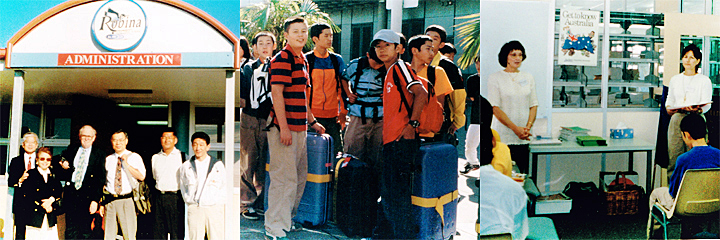
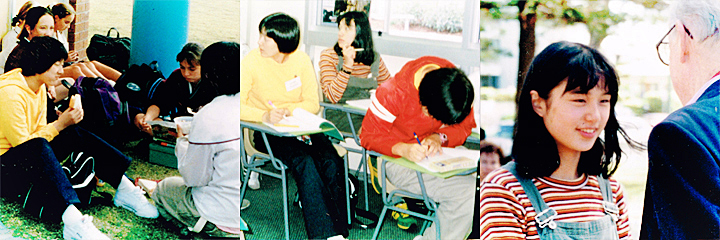
    埼玉県にある「大和中学校」とクイーンズランド州ゴールドコースト「ロビナ小学校」は姉妹提携を結ばれました。今回、日本からオーストラリアに異文化交流を行った様子です。ホストファミリーのお宅にホームステイを行いました。引率の先生方も緊張気味です。

    写真:「大和中学校、ロビナ小学校」姉妹校

    写真:「大和中学校、ロビナ小学校」姉妹校

    写真:「大和中学校、ロビナ小学校」姉妹校

    写真:「大和中学校、ロビナ小学校」姉妹校

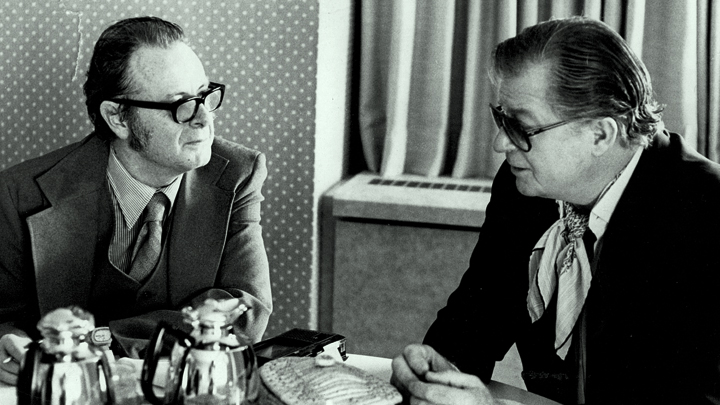
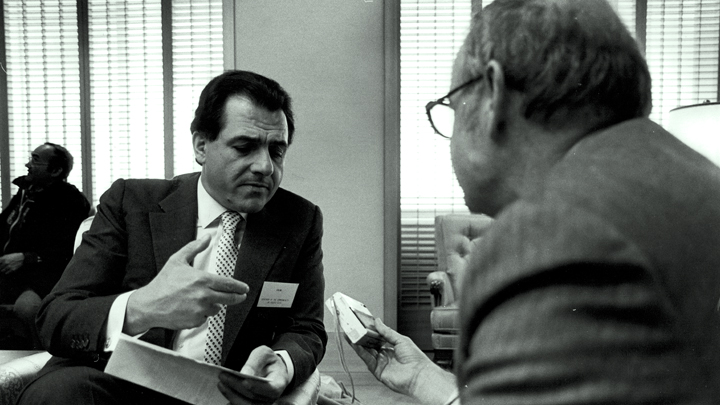
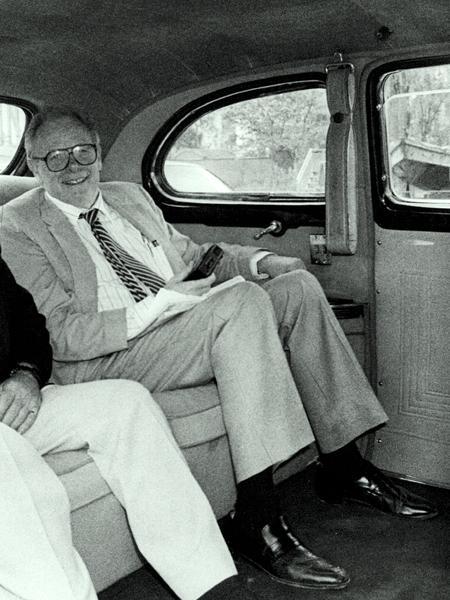
  • Hal Drake interview photos

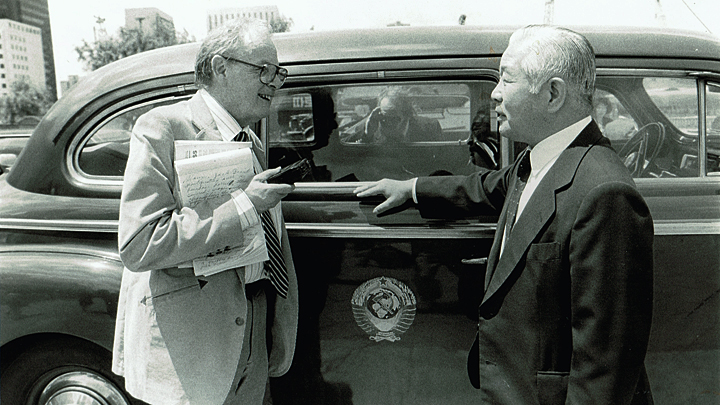
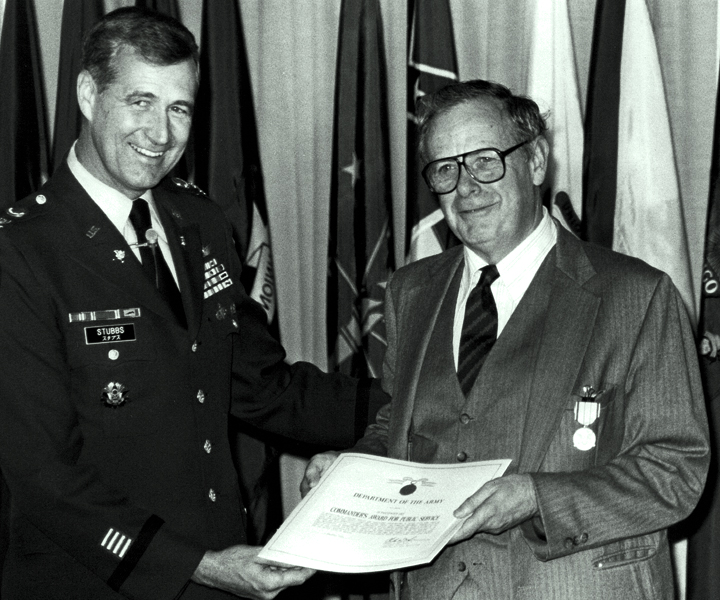
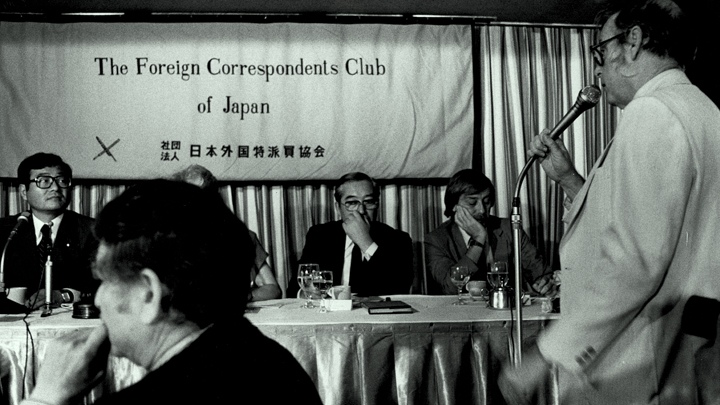
    『ネットワード・インターナショナル・サービス(以下、Netword)』会長、『パシフィック異文化教育アカデミー(以下、PCA)』学院長「ハロルド・A・ドレイク」がメディア掲載、取材等で取り上げられた記事を紹介致します。
    以下、掲載記事


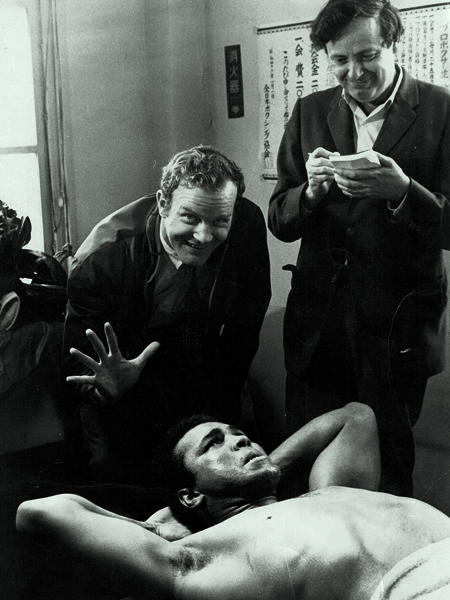
    1967年撮影

    モハメド・アリ(Ali Mohamed)
    プロボクサー(アメリカ)
    1942.01.17-
    ジェームズ・クラベル(James Clavell)
    『将軍』(Shogun 1975)
    1924.10.10-1994.09.07
    加藤 紘一
    外務大臣
    1939.06.17-
    加藤紘一オフィシャルサイト
    http://www.katokoichi.org/
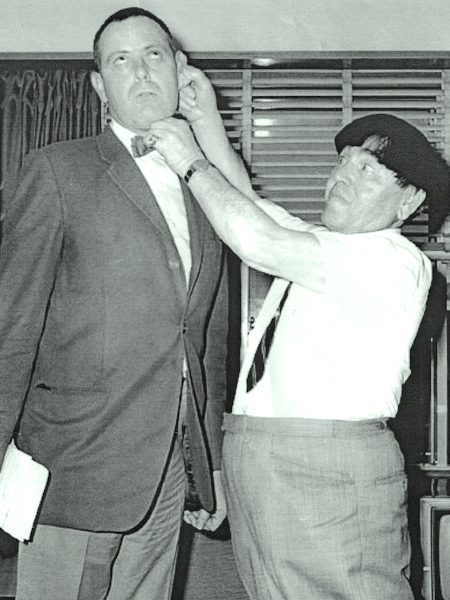
    モー・ハワード(Moe Howard)
    三ばか大将(The Three Stooges )
    1897.06.19-1975.05.04

    • 写真:Stars and Stripes Interview
    • 写真:Stars and Stripes Interview
    • 写真:Stars and Stripes Interview
    • 写真:Stars and Stripes Interview
    • 写真:Stars and Stripes Interview
    • 写真:Stars and Stripes Interview
    • 写真:Stars and Stripes Interview
    • 写真:Stars and Stripes Interview
    • 写真:Stars and Stripes Interview

  • グローバル視点「男女の社会平等」

    『ネットワード・インターナショナル・サービス(以下、Netword)』代表取締役、『パシフィック異文化教育アカデミー(以下、PCA)』理事長「和子 K.ドレイク」がメディア掲載、取材等で取り上げられた記事を紹介致します。
    以下、掲載記事


    目黒区英文広報「Monthly Meguro』掲載記事
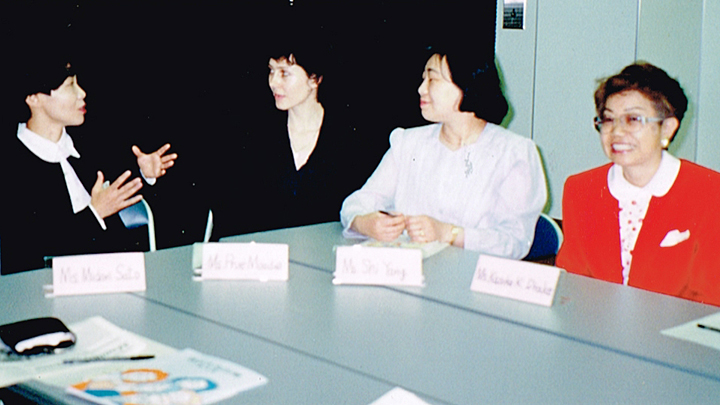
    写真:『月刊目黒(Monthly Meguro)』

    Creating Social Equality for Men and Women Foreign Women Speak Out
    目黒区英文広報誌『月刊目黒』に和子 K.ドレイクが、男女の社会平等について、海外女性代表として語っています。それぞれ、日本、中国、アメリカ、オーストラリア女性の立場からのパネルディスカッションです。記事は、PDFデータによるダウンロードが可能です。


    Creating Social Equality for Men and Women
    Foreign Women Speak Out

    Since the U.N. Decade for Women (1976-1985) Meguro has been making continuous efforts to furthering the cause of social equality between the sexes.

    Meguro Monthly recently invited several women residents of foreign nationality to discuss the situation regarding women’s problems in their own countries. The gist of the discussion is carried in this month’s issue.


    Discussion Participants

    • Ms. Shi Yang: Chinese nationality. Presently living in Ohashi 1-chome and culture at the University of Tokyo.
    • Ms. Prue Moodie: Australian nationality. Presently living in Mita 2-chome and working as a journalist.
    • Ms. Kazuko K. Drake: Born of Japanese parents, married to an American and now holds U.S. citizenship. Presently living in Kamimeguro 1-chime and working as a company board member.
    • Ms. Midori Sato: Moderator. Employed in the Women’s Policy Section, Meguro City Office.

    Situation of Women in Other countries

    Ms. Sato: Thank you for joining us today. This is the first time that we have asked foreign women to come and discuss women to come and discuss women’s issues, and I am looking forward to hearing your opinions. To set the scene, however, first I would like to explain to you the current situation in Japan. In most Japanese corporations, many women have to preform all sorts of odd jobs such as pouring tea for customers and colleagues, while on the other hand, at the management level where decisions are made, men are overwhelmingly more numerous than women. The statistical graph of women in the workforce by age is typically an M shape, the dip representing woman in their 30s who have dropped out of the workforce to raise children. These figures testify to the difficulties women with children face if they want to work. In 1979, in an effort to improve this situation, Meguro assigned some municipal staff to deal with women’s issues, and in April 1992 established the Women’s Policy Section, with the task of promoting social equality between the sexes.

    Now let’s turn to the situation overseas. Ms. Drake, I wonder if you could fill us in on what is happening in the United States?

    Ms. Drake: Previously I was a student in the States, and now my work takes me there frequently. Also, as my husband is an American, my life seems to be spent in an endless comparison of the two countries. When it. comes to equality between the sexes, the U.S. is streents ahead of most other countries, and I need scarcely mention that there are many women who occupy prominent positions in their professions, whether it be politics, business, education or some other field.

    Many women, however, do stop working while they are bringing up their children, are it is often the case, as in Japan, that when they re-enter the workforce, they are not able to find positions where they can utilize their previous career experience. Some women, to be sure, have access to government child care and other facilities, and so manage to tide over this period. There many others, however, who are not able to manage so well, and in some cases, this can even lead to the breakup of the family. Divorce is often the downside of women remaining in the workforce, and the breakup of the family unit often results in suffering on the part of the children.

    Ms. Sato: Let’s turn to China. What are the child care and other facilities like there, Ms. Shi?

    Ms. Shi: i don’t feel that there is any sexual discrimination in the workplace. On the contrary, women’s talents are in fact put to detail is of use when teaching grammar. When it comes to childbirth, however, the back-up systems we have are inadequate. It is difficult for pregnant women to take time off, the only concession being that they are allowed to come to work one hour late after the seventh months is granted after the birth, and this can sometimes be extended to one year, depending on the pressure of work at the workplace. It is difficult, it seems, for women in important positions to take time off. In China, there are adequate facilities for children over the age of one, but many women with babies under one leave them with their parents or friends in order to go out to work.

    Ms. Sato: I understand, Ms.Moodie, that are working as a journalist, and I wonder if you could fill us in on the situation in Australia.

    Ms.Moodie: Australia’s labor unions were traditionally strong, and they support equality of pay and working conditions, which have been realized to a large extent, although there is still room for improvement. After childbirth, maternity leave can be taken for up to one year, depending on their contract. Australia suffers, however, from a lack of good child care facilities, with small children are unable to get out to work.

    Australia is an argumentative country, and people are not backward in making their opinions known. Women, also, if they are dissatisfied about something, will voice their complaints forcefully, even to men. This is somewhat different from Japanese people, who are more reticent about asserting their opinions.

    Ms.Sato: Historically, the Japanese do not have a tradition of asserting themselves. So much so that men think women who actively assert their opinions about women’s issues are some what daunting.

    Ms.Moodie: I don’t think it’s just in Japan that women who actively advocate women’s issues are disliked by men. Rather I think it is a phenomenon that is found throughout the world.(Nods of agreement from Ms. Drake and Ms. Shi.) As a result, women of any nationality try not to be too assertive when they are with a man they like. But when I first came to Japan, I noticed the exceptionally submissive way in which Japanese women act and speak. For example, Japanese women use less direct forms of speech than men. I was also very surprised by their high-pitched voices.(Ms. Moodie’s demonstration has the other participants in fits of laughter.)

    Ms.Sato: At home, Japanese women are in charge of the household accounts, but it seems that the real authority lies with the father who brings home the money. With regard to the division of labor within the home, both men and women seem to be firmly convinced that women should be in charge of housework and bringing up the children. Until very recently, it was common in senior high schools for the girls to learn cooking and sewing during the periods when the boys were learning martial arts.
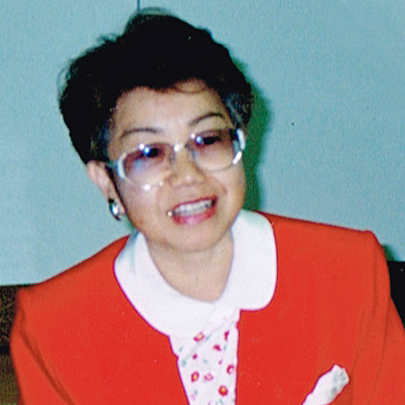
    写真:和子 K.ドレイク(Kazuko K. Drake)

    Ms. Drake: I think that the present situation is the result of the historical lifestyle patterns of each ethnic group, and it is impossible to change a country’s systems overnight. What is important is to utilize the best from each country to create social equality between the sexes. In the U.S. many people are ready to learn from the good aspects of Japanese society. For example, they think Japan’s system of the father going out to work while the mother takes care of the home is an effective way of maintaining a good family environment. The only problem in this situation is that it is difficult to find a solution to women’s frustration — the feeling that they are not using their abilities to the full.

    America’s pioneer heritage, dating from the time when immigrants worked together to get things done, is the basis for the social equality of the sexes in the U.S. today. Families divide up home and outside responsibilities clearly, and each person consents to these arrangements. Thus, for example, if the mother is late home from work, then the father makes the children’s dinner. The social framework which enables men to take on these responsibilities without any demur is already in place.

    Ms.Moodie: In Australia, women have full equality under law. They can go to their union for protection from inequality at work. If that’s not effective they can apply for protection from a government body like the Anti-discrimination Board. That’s the theory. In fact, Australian women still earn an average of 25% less than men for the same work.

    Ms. Shi: The situation in China changed radically after the 1949 liberation. Before liberation(in my parents generation) housework was considered women’s work, just as it is in Japan today. After the liberation, however, in my generation, one never hears of husbands who refuse to do housework. That at least is the case among people I know, but China is a large place, and you may find differences from area to area.

    Ms. Sato: Thank you for telling us a little about the situation in your countries. One other aspect of Japanese society that is pertinent to these issues, is that many men leave home early and return late, due to the longer Japanese working hours compared with Western countries. Combined with frequent overtime and long commuting hours, this means that many women feel that they cannot possibly ask their husbands to help with the housework. Thus, structural changes in Japanese social patterns are required if we are to achieve equality between the sexes.

    Ms.Moodie: I have often been told that in Japanese families mothers give their sons special attention, and make their daughters help with the housework, while the boys are hardly ever asked to do anything. Is that really true?

    Ms. Sato: A large number of families are like that but I wouldn’t say all are.

    Ms. Drake: I have two sons and I made them help with the housework. When my friends who came to visit saw my sons clearing away their own plates, some would criticize me saying, “Why do you make your sons help in the house?” A good many others, however, were impressed and vowed to make their children help too.


    Women’s Participation in Policy-making

    Ms. Sato: I’d like now to turn to policy-making. In Japan, the number of women elected to the Diet and municipal assemblies is small. Meguro City has set a goal of encouraging women’s participation in not only politics but also policy-making, as ex pressed in the slogan “from political participation to policy planning”. The impression I get from television coverage of China is that a large number of women are involved in politics.

    Ms. Shi: I think that, from a nationwide viewpoint, the number of women acting as people’s representatives is small. In China, however, we have a women’s organization known as the Women’s Federation, and the managers’ committee in each workplace includes at least one or two members of this Women’s Federation.

    Ms.Moodie: Australia is behind the U.S. when it comes to women’s participation in policy-making. I would say the situation is no better than it is in Japan with regard to most other women’s issues.

    Ms. Sato: At the Meguro City Office where I work, the number of women holding management positions is small. I think, however, that this situation is attributable, in a large part, to the fact that many women feel that instead of becoming a manager and working long hours. it is preferable to have more time for themselves and their families.

    Ms. Drake: In the U.S., people make a clear distinction between their work and private life, and view time spent with their families as very important. I doubt that the number of women managers will increase greatly in Japan until society as a whole no longer agrees to sacrifice private life for work. I think that this sort of discussion is very valuable and it would be good if you could hold more sessions at regular intervals.

    Ms. Sato: That’s a good idea. We should plan some more. Thank you for the lively discussion we had today. Women’s issues transcend national boundaries, and although the situation in each country is different, women need to create networks so that they can work together to solve the problems they share. I hope that you will let us know your ideas again from time to time.
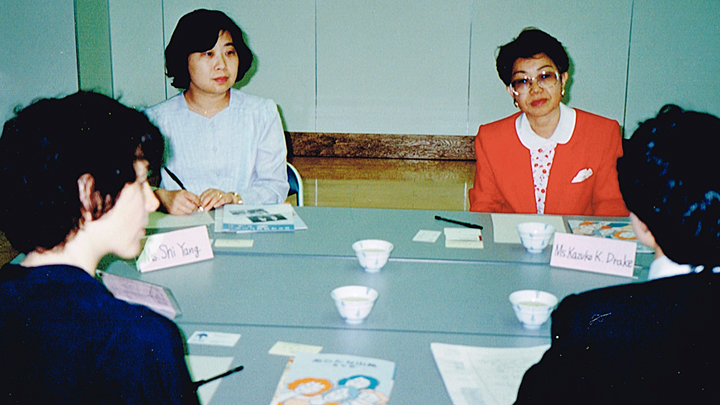
    写真:『月刊目黒(Monthly Meguro)』


    Meguro City Women’s Action Plan

    The draft of Meguro City’s Women’s Action Plan has been completed. Its goals are to clarify, systematize and promote polices oriented to encouraging women and men alike to utilize their individual abilities, and work together as equals in the family, local community and society at large to create a society where everyone is able to make their own contribution. The plan, which covers the period from 1993 to 2003, is outlined below.

    Concept of Equality Between the Sexes and Awareness of Women’s Issues
    Improving Women’s Health and Providing Support for Women in Diversifying Family Situations
    Creating Conditions Conducive to Women Joining the Workforce
    Promoting Equality of the Sexes Across the Board
    Creating the Necessary Organizational Systems

    [Monthly Meguro No.61 JULY 1993]


    PDFファイルのダウンロード
    目黒区英文広報「Monthly Meguro』No.61 July 1993

  • Pacific Sunday ‘Stub’ sends a big message

    『ネットワード・インターナショナル・サービス(以下、Netword)』会長、『パシフィック異文化教育アカデミー(以下、PCA)』学院長「ハロルド・A・ドレイク」がメディア掲載、取材等で取り上げられた記事を紹介致します。
    以下、掲載記事


    ‘Stub’ sends a big message

    Vol.48,No.100

    April 11,1993
    Pacific Sunday[Pacific Stars and Stripes]

    By Hal Drake(Stripes Senior Writer)

    写真:Brett Eastburn,Bill Essex
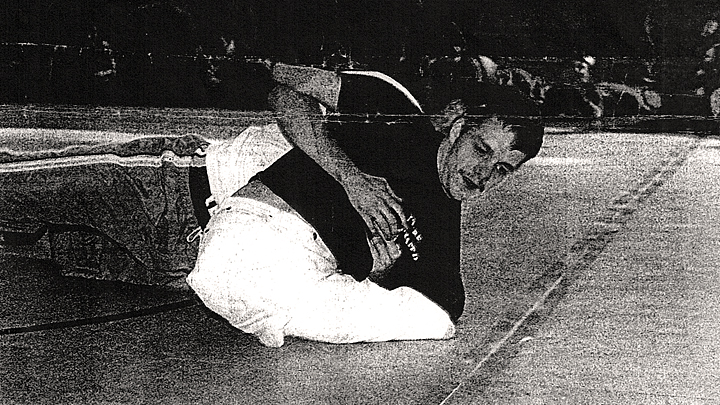
    Spectators at Yokota High School watch in awe as ‘The Stub’ wrestles his opponent. Following the match, students line up to greet Brett Eastburn and Bill Essex. Brett says, “I do not think handicapped, therefore I am not handicapped.”

    Brett Eastburn bristles at any suggestion that he is handicapped. If he could, Brett would collar anybody who said that set him straight. But he has no hands. He’d run a mile to prove his point, if he had been born with legs.

    Brett came into the world limbless. He is no more than haunch high, mostly head and torso, traveling under an assumed name he pinned on himself — The Stub. Brett refuses to believe that, 21 years ago, he was thumbed out of life by an unfair referee.

    At first an avoided figure who provokes pity or repulsion, Brett frequently finishes with young people around him, awed by a being who can do anything with nothing. He wasn’t awarded a handicap, Brett insists, but a solid and positive gift — the ability to work inspirational magic with others.

    “Yeah, it really is, because I’ve seen time and time again, when I do everyday things in life,” Brett says, “people are impressed and use that as an example.”

    he drives — easily pilots a van, putting stumps that end above the elbow into cups mounted on the wheel, working pedal and brake with special extensions. He feeds himself, skillfully grasping fork or glass with what little he has.

    He’s an artist, holding brush or pencil between stub and shin. Several of his portraits and scenics have won important awards and nationwide recognition.

    Brett wears his black felt and leather jacket from John Glenn High School in Walkerton, Ind., hung with medals and pendants — copper and bronze, close to gold. He was fourth in the 1988 AAU freestyle wrestling tournament, two slots away from a berth on the U.S. Olympic team.

    “The Olympics,” Brett says. “Not the Special Olympics.”

    Brett tells all that there are no handicaps, except those that people inflict on themselves — particularly the ones who fall to the worst infirmity. Drugs.

    To get that across, Brett travels with an improbable partner. Bill Essex, a former Marine and retired detective, still has long hair and beard — the raffish deceiving many drug dealers who forfeited years of their lives. As an anti-drug troupe, they speak on campuses all over the United States, recently traveling overseas to talk to high school students at Yokota Air Base in western Tokyo.

    Don’t do drugs, Essex said. It can mean personal ruin and prison sentence. Lay off illegal mind benders, Brett warned. They destroy physique and coordination,demolishing any natural athletic gifts.

    Look at him, Brett says. All he can do with his drug-free body. He’ll wrestle anybody, he tells students at the school gym, to back what he says.

    “I do not think handicapped, therefore I am not handicapped,” says Brett, seated atop a table next to the wrestling mat. “You are a success. You are a failure if you think you are going to be a failure.”

    Drugs, he said, are built-in failure.

    He told of the tough, grapple-and-pin world of amateur wrestling, particularly among those fighting for Olympic space. “They’re not going to take it easy on a little crippled dude.” Brett looked around the gym and challenged anybody to match or surpass him.

    “I know you can do it. You can be ranked. If I can do it like this, no hands or feet, what’s your excuse?”

    A volunteer steps forward, 18-year-old welterweight Trey Maestas. Brett somersaults off the table and veritably sprints on his haunches to the center of the mat. Trey, scissored by those stumps, is quickly pinned.

    “A trap and roll,” Brett says. “Gets ‘em everytime.”

    Was it a legitimate pin and not a sympathetic fix?

    “Here,” Brett replies thrusting the right stub at an inquiring stranger. “Push.”

    It’s like trying to move a jammed lever.

    Brett Eastburn, unbelievable, is for real.

    掲載記事:【パシフィック・サンデー 1993.04.11】

  • 海外留学をめざす高校生のみなさんへ

    『ネットワード・インターナショナル・サービス(以下、Netword)』『パシフィック異文化教育アカデミー(以下、PCA)』がメディア掲載、取材等で取り上げられた記事を紹介致します。
    以下、掲載記事


    大学生になったら、海外留学を志すキミに

    「留学マルチ相談コーナー」のお知らせ

     大学教育の多様化するさまざまな情報を、一つひとつ読者のみなさんに詳しく伝えていこうとしている本誌では、その1分野として「大学の国際化」を本号の特集で紹介しています。

     多くの大学がいろんなシーンで国外の異文化と交流を展開し、最近はキャンパスのあらゆるところで国際化が進んでいます。その流れは学生レベルにも及んでいて、端的な例が”留学”です。

     大学在学中に海外留学にチャレンジする学生は年々増えており、すでに受講生の段階から準備を進めている人も目立ってきています。

     本誌編集部では、そういう計画をもつ読者、また漠然とでも留学を考えているような読者を対象に、より有意義な海外留学を実現するための「相談コーナー」を設けることにしました。

     留学に関して、聞きたいこと・知りたいこと、初歩的な質問から具体的な問題まで、どんなことでもみなさんの問い合わせを待っています。

     当コーナーの開設にあたって、専属のアドバイザリースタッフを迎えました。ヨーロッパ・アメリカ・オーストラリアなど海外に広いネットワークを持ち、学生の海外留学を長年にわたってサポートしてきた東京の「ネットワード・インターナショナル LTD.」の和子・K・ドレイクさん。豊富な海外経験と日本での教師経験を生かし、これまで多くの日本人留学生を手助けしてきた人です。

     みなさんの質問に対して誌上で、またダイレクトにアドバイスをしてくれる予定です。

    「海外をめざす高校生のみなさんへ」ネットワード・インターナショナル
    十分な準備が肝心
     海外留学を志すからには、夢や憧れだけをふくらませても意味がありません。学生時代の貴重な時間と、大切なお金を使うのですから、有意義な留学体験にするための準備こそ十分に考慮されるべきです。
     みなさんが大学入学後に留学を予定する場合、大きく分けて2つの分野での作業を始めることが懸命です。

    A. 事務的分野の準備
    1. どこの国で勉強したいのか
    2. 何を勉強したいのか
    3. 必要とされる学力・専門知識のチェック
    4. 学費・生活費・渡航費等のチェック
    B. 精神的分野での準備
    1. 選んだ国の習慣、歴史、国民性、地理的立地条件、気候、政治、文化等の正しい予備知識を得る
    2. 留学体験者の生の声、実例等を数多く聴取する
    3. 日本人としてのアイデンティティーをしっかり身につける
    留学先での心構え
     さて、確かな準備を経て留学本番を迎えると、渡航先での対処の仕方が重要なポイントになります。「Positive thinking, Positive attitude, Curiosity, Common sense」(肯定的・積極的なものの考えかた・態度、好奇心および興味、常識すなわち人にたいする思いやり、感謝の気持ち)を十二分に持ち合わせて発揮し、間違いを恐れず、自身をもって物事に対処することです。
    高い意識を持とう
     世の中には完全なものは何ひとつありません。完全なものを作りだそうとする努力、世界の人々が心をひとつにして異なった言語・文化・風習を理解する努力こそが何にも勝る価値ある行為です。
     みなさんの長い一生のより良き未来への布石の一つとして、海外留学を志し実践しようとすることは素晴らしいことだと思います。
     そんな意識の高い読者のみなさんの正しい道案内役をつとめられることに、大きな喜びを感じます。どうか少しでも興味のある人は、どんどん気軽に質問を寄せてください。

    和子・K・ドレイク

    参照:教育新聞社「私大コース」1991年6月号より

  • 『Tokyo Weekender』March 15,1991

    『ネットワード・インターナショナル・サービス(以下、Netword)』会長、『パシフィック異文化教育アカデミー(以下、PCA)』学院長「ハロルド・A・ドレイク」がメディア掲載、取材等で取り上げられた記事を紹介致します。
    以下、掲載記事


    『Tokyo Weekender(トーキョー・ウィークエンダー)』掲載記事

    Vol. 22, No. 10 March 15, 1991
    Party line
    Here’re the pretty people — in the back of the bus!

    Here they are, ladies and gents: willy-nilly we present the people who are the energy and propelling force behind much of The Big Mikan’s comings and goings, other opinions to the contrary notwithstanding. Oh, what the hell: we have fun and enjoy life — and that’s the idea. More of all this in Party Line on Pages 16 & 17.

    Hanae Mori’s latest collection

    Irene Coffi,TIH princess Takamado,Princess Mikasa
    Enjoying the collection are Irene Coffi, wife of the Cote d’Ivoice, dean of the Diplomatic Corps, with TIH princess Takamado and Princess Mikasa.

    Hanae Mori,Luda Taib
    Midori Nishiura,the Turkish Ambassador
    World-famed designer Hanae Mori with Luda Taib, wife of the Moroccan Ambassador, and Midori Nishiura. Nur Arik, wife of the Turkish Ambassador.

    Beatrice Oyarbazal,Femando,Maggie Baez-Duarte
    Beatrice Oyarbazal, wife of the spanish Ambassador, with Femando and Maggie Baez-Duarte; he’s Venezuela’s envoy.

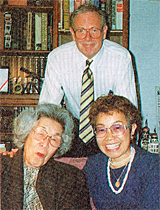
    Kaz & Hal Drake welcome Chiye Hachisuka back home

    Chiye Hachisuka,Hal,Kaz Drake
    Geoff Brennan,Pat Tamaoki,Miroomi Tamaoki,Susan Brennan
    Chiye Hachisuka,Corky Alexander
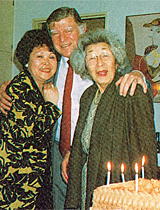
    The host Hal Drake stands over wife let Kazuko and guest of honor Chiye Hachisuka, returning to Japan after two years of visiting America and Canada. Geoff Brennan, Commercial Minister, Australian Embassy; Pat Tamaoki; Miroomi Tamaoki, Oceania Manager, SECOM Co., and Susan Brennan. Chiye helps Chichan Plessner and Corky Alexander celebrate their birthdays.

    John Hodges,Kaz Drake,Ken Samura,keiko Nozu,Atsushi Kimbara
    Former Australian Immigration Minister, visiting from Sydney, John Hodges, with Kaz Drake, Ken Samura, keiko Nozu and Atsushi Kimbara(Lacoste).

    Warner Bros. fetes film stars

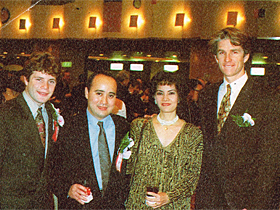
    Sean Astin,Matthew Modine,flank WB's Bill,Charo Ireton
    Actors Sean Astin and Matthew Modine — here to promo “Memphis Belle” — flank WB’s Bill and Charo Ireton.

    Hiroaki Shikanai,
    Banjiro Uemura,David Puttnam
    Fujisankei Chairman & CEO Hiroaki Shikanai poses with two moviebiz giants: Tohokushinsha Prez Banjiro Uemura(left) and Producer David Puttnam(right).

    In & around The Mikan…

    Sho Kosuge,Kane
    Sho Kosuge and his son Kane play hosts at a press conference ballyhooing their latest film, “Shogun Mayeda.”

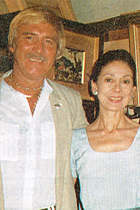
    Bill Hersey,Margot Fonteyn
    Our Partyliner Bill Hersey poses with the late, great Dame Margot Fonteyn who died in Panama recently after a glorious career in ballet; a great lady.

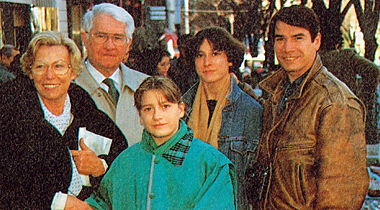
    Michel Vermare
    Seen on Omotesando on a Sunday stroll — Michel Vermare, Customs Attache at the French Embassy, with his mother and father, visiting from Paris, and his daughters Stephanie and Pauline who live here with mere et pere.

    Abdul-Aziz Al-Sharekh,Hissah
    Kuwaiti Ambassador Abdul-Aziz Al-Sharekh and his wife Hissah were swamped with well-wishers after their country was liberated from the iron heel of Iraq by country well here during the crisis.


    1970年から、コーキー・アレグザンダーさんが創刊した日本における伝統のある英字新聞として親しまれています。ハル・ドレイク記者の記事を中心に掲載しています。